

Having your chimney inspected regularly is more important than many people realise, especially in South Wales. Our weather is often damp and windy, so chimneys face many challenges all year round. Regular inspections help you spot small problems before they become costly and dangerous.
Ignoring your chimney can lead to unwanted surprises. Cracks and leaks may quietly develop over time. If you don’t notice these early, the damage will get worse with every storm or cold night. Sadly, many homeowners only act when water damage or structural issues appear. By this point, chimney repairs are often expensive. With routine checks, you can keep your home safe and avoid spending extra money down the road.
Early warning signs are your best defence. For example, small amounts of crumbling mortar or light staining might not look serious. They are, however, clear signals that something is wrong. Acting quickly protects your roof, the inside of your home, and even your family’s health.
That’s why many homeowners in Pontypridd and nearby areas trust PRBG. Our team knows the local environment and chimney types inside-out. We offer a 10-year guarantee on all major repairs and new installations. You get peace of mind, knowing reliable experts are looking after your property—today and for years to come.
Why Chimney Restoration Matters in Pontypridd & Nearby Areas
Chimney restoration is essential for every homeowner in Pontypridd and nearby South Wales areas. The local climate brings steady rain, high winds, and frequent cold snaps. These conditions put extra stress on your roof and chimney. Over time, small problems can easily turn into serious risks.
If you ignore chimney damage, you may face more than just costly repairs. Cracks, missing mortar, or leaks create pathways for water to enter. This can weaken brickwork and roof structures, making your home less safe. In some cases, blocked or damaged chimneys can even lead to fire hazards. Dangerous fumes or smoke may find their way inside instead of leaving through the top.
Letting problems go unaddressed can also affect your home insurance. Many policies require proof of good home maintenance. If you suffer damage from a neglected chimney, your claim might be rejected. Regular restoration helps you avoid this headache. Plus, you’ll sleep better knowing your property is protected.
South Wales weather encourages moss and algae to grow on exposed surfaces. These can eat away at mortar joints and create leaks. Constant moisture speed up the natural wear and tear—especially on older homes. Quick action and expert care can halt further damage, keeping your property strong.
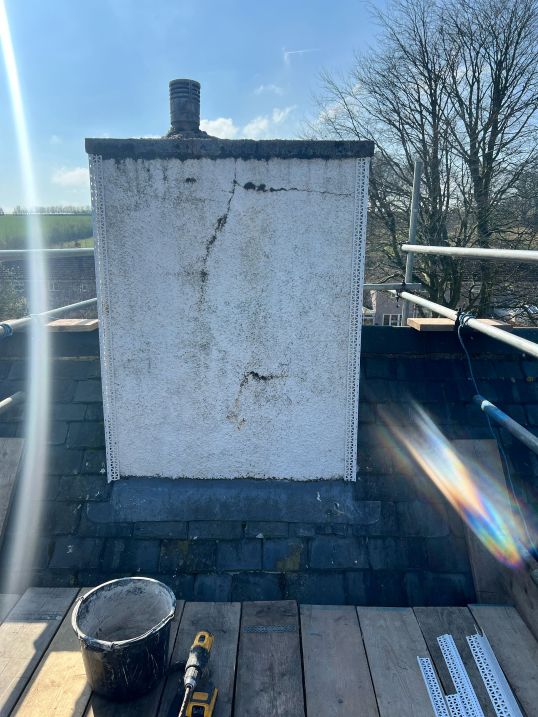
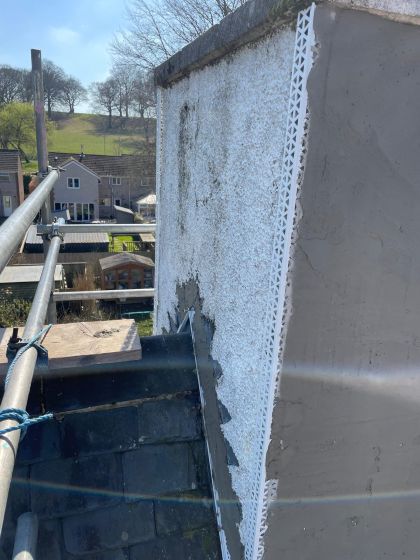
See recent chimney repairs completed by PRBG below:
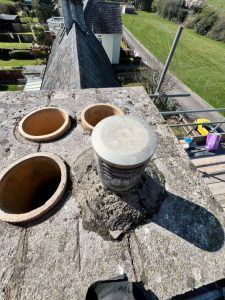
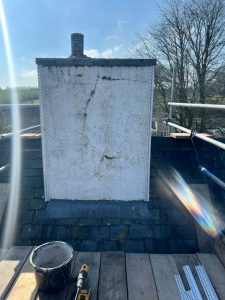
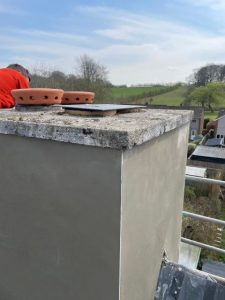
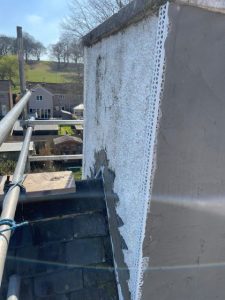
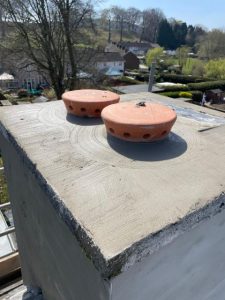
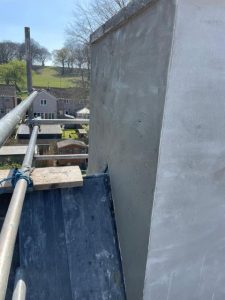
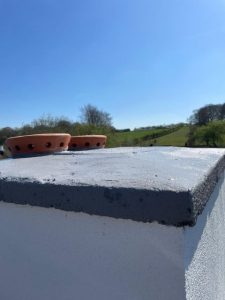
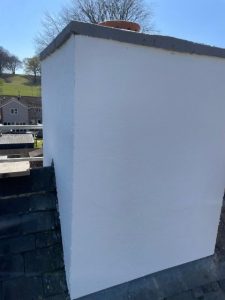
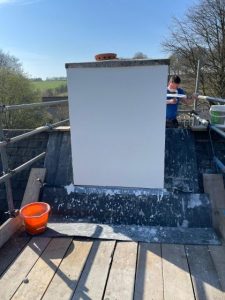
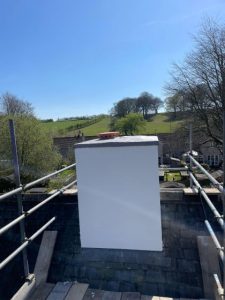
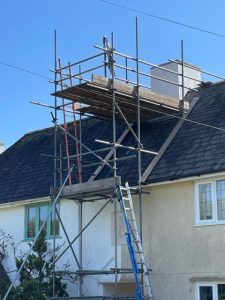
This is why working with certified professionals, like PRBG, is so important. Our local team understands the area’s climate and the needs of different buildings. We use quality materials and proven methods. Every major repair comes with a solid 10-year guarantee. You gain peace of mind, knowing your chimney restoration will last through many seasons.
Trust PRBG to restore your chimney the right way—protecting your home, your family, and your investment.
Quick Checks: Easy Signs Your Chimney Needs Restoration
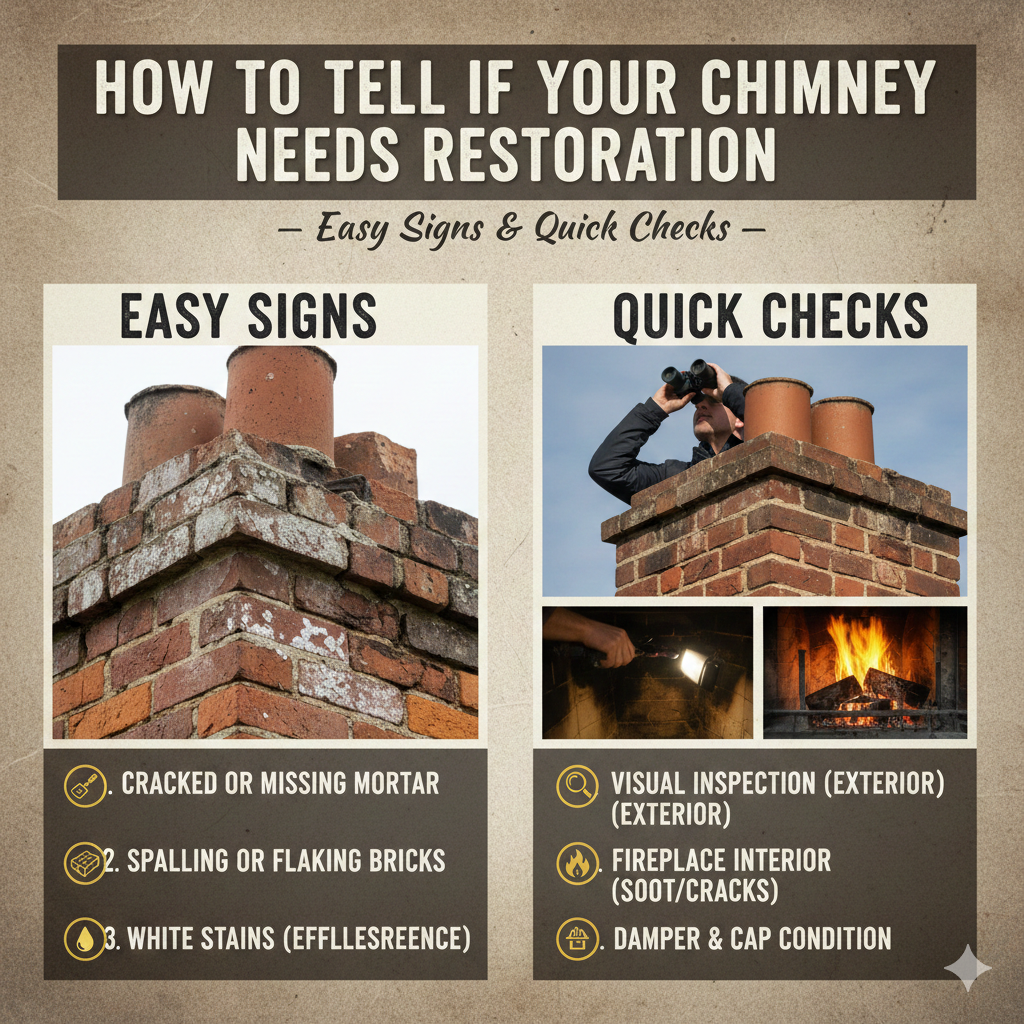
Spotting chimney problems early is easy when you know what to look for. Begin with a simple visual inspection outside your home. Stand back and look at the entire chimney. Are there noticeable cracks in the brickwork or mortar joints? Cracks mean water can get in, which causes long-term damage. If your chimney looks like it’s leaning or tilting, that’s a warning sign. Even a slight lean can mean the base or support structure is failing.
Check for crumbling, missing, or spalling bricks. Spalling is when bricks start to flake or fall apart because of moisture and winter freezing. If you see white stains or powdery deposits, this is likely efflorescence. It happens when moisture pushes salts out of the masonry. Both are clues that water is causing problems inside the structure.
Head indoors and take a look around your fireplace and chimney area. If you spot water stains or damp patches, pay attention. Dampness can hint at leaks or cracks. Peeling wallpaper or musty smells on nearby walls are signals, too. These often mean water is travelling beyond the chimney and affecting your interior. Don’t forget to check for visible soot, creosote build-up, or blockages inside the chimney. These blockages might create poor ventilation and smoke issues.
Use a torch to inspect the damper and firebox. If you see rust or any sign of a misaligned flue tile, the chimney could be letting in moisture. These parts should look clean and sit straight.
Finally, watch and listen when you use your fireplace. If smoke comes into your room instead of shooting up the chimney, it’s time to call an expert. Poor draft means something is blocking the flow or the structure is compromised. Odd sounds or debris, such as animal noises or nesting material, also point to trouble. Creatures often make homes in unused chimneys, so regular checks help you avoid nasty surprises.
Using these easy checks, you can catch problems before they get worse. If any of these signs show up, contact PRBG for a quick professional assessment. Your home—and your peace of mind—deserve reliable care.
Step-by-Step: How to Do a Chimney Self-Check
You can spot many chimney problems with a quick self-check. Follow this simple checklist to inspect your chimney safely and effectively. Remember, always stay safe—if you feel unsure, call a professional.
Outdoor Inspection Checklist
- Stand back and look at the entire chimney.
- Check for cracks in bricks or mortar joints.
- Look for leaning or tilting sections.
- Spot any missing, crumbling, or spalling bricks.
- Watch for white stains (efflorescence) or streaks that could mean moisture issues.
- Check flashing around the chimney base for tears or gaps.
Indoor Chimney & Surrounding Area Checklist
- Inspect near the fireplace for any water stains or damp spots.
- Notice peeling wallpaper, bubbling paint, or musty smells on surrounding walls.
- Shine a torch inside the firebox and up the flue; check for soot, creosote, rust, or fallen tiles.
- Test if the damper moves smoothly and fits tightly.
- Look for any signs of blockages or strange odours inside the chimney.
- Listen for animal noises or unfamiliar scratching sounds.
Important Safety Tips
- Use a sturdy ladder and wear gloves if checking the chimney’s top or roofline. Never inspect a steep roof on your own.
- Use only a torch or flashlight for viewing dark areas. Avoid poking or forcing anything into the chimney.
- Never climb onto icy, wet, or mossy roofs—falls are a real risk.
When to Avoid DIY and Call a Pro
- If you find major cracks, loose brickwork, or a tilting chimney, stop and call an expert.
- Blocked flues, soot build-up, strong odours, or signs of pests also need professional attention.
- Don’t attempt repairs on your own. Untrained fixes may lead to higher costs or insurance issues.
Why Annual Professional Inspections Matter
- A certified inspection each year keeps your home compliant and safe.
- Professionals can spot hidden problems, use advanced tools, and offer unbiased repair advice.
- Your safety and property value deserve regular professional care.
A little time spent checking your chimney can prevent costly emergency repairs. Combine your self-check with an annual expert inspection from PRBG for true peace of mind.
Common Causes of Chimney Damage
Chimneys in South Wales must handle some tough weather. Frequent storms, heavy rain, and strong winds can erode bricks and mortar over time. Moisture is the number one enemy for any chimney. When water seeps in, it weakens the masonry and speeds up decay. In wet weather, moss and algae thrive on exposed brick surfaces. These growths trap moisture against the chimney, making things even worse.
Each type of property faces its own set of challenges. Older homes often have original chimneys with soft, aged brickwork. These bricks were not made for today’s harsh weather. They crumble and crack more easily, so repairs are often needed sooner. Many South Wales homes are also terraced or semi-detached, which sometimes hides chimney damage until it spreads.
Commercial properties have larger chimneys or multiple flues. If not maintained, these can develop issues more quickly. A rarely-used flue might still collect rainwater, debris, or even nesting birds. Checking each flue is vital, especially for buildings with complex setups.
Historical buildings come with extra risk. Their chimneys were built using materials and skills from earlier times. Any restoration needs careful work to match the style and preserve the property’s character. Neglecting old brickwork can lead to costly, large-scale repairs. Sometimes, old designs do not include modern waterproofing, which allows more leaks or damp problems.
Understanding these local factors helps you act before serious damage happens. If your home is old, or if you notice moss, leaks, or loose bricks, don’t wait. Regular checks and expert advice from PRBG will keep your chimney strong for years—protecting both modern and historic properties in every season.
Restoration vs. Repair: What’s Right for Your Chimney?
Understanding whether your chimney needs a minor repair or full restoration is essential. Both options protect your home, but each works best for specific problems. Let’s break it down so you can make the right choice.
Minor Repairs
These are quick fixes for small issues. If there’s one or two loose bricks or a bit of damaged mortar, a skilled technician can patch it up. They’ll reseal cracks, replace missing bricks, or install a new cap. Such repairs are fast, affordable, and solve minor leaks or structural concerns.
Repointing
If the mortar between bricks starts to wear away, the chimney needs repointing. This process removes crumbling mortar and replaces it with fresh material. Repointing keeps water out and strengthens your chimney for years ahead. It’s a crucial maintenance step for older homes—especially in South Wales, where rain is frequent.
Full Restoration/Rebuild
When damage is widespread, or bricks are falling apart, full restoration is best. Experts strip down the chimney, repair or replace major sections, and rebuild the structure using new or reclaimed materials. Restoration is the only way to fix deep cracks, leaning chimneys, or severe water penetration. It delivers longer-term protection and preserves value, especially for historical properties.
When to Choose Restoration
- Multiple bricks missing or spalling
- Large cracks running through the chimney
- Chimney leaning or structurally unstable
- Damp, mould, or repeated leaks
- Damage spreading beyond the chimney
Long-Term Protection
Restoration goes further than repairs. It solves root causes and upgrades weak areas. A restored chimney will stand up better to Pontypridd storms, moss, and moisture. You’ll invest once and enjoy peace of mind for years.
PRBG’s Warranty Advantage
Choosing PRBG means your repairs and installations are covered by a solid 10-year guarantee. You get expert diagnostics, clear pricing, and lasting workmanship. Our local reputation and warranty take the worry out of every job.
Want to make the smart choice for your home’s safety and value? Contact PRBG for honest advice and expert chimney care. Your property deserves the best protection—and our solutions deliver it every time.
When to Call a Certified Chimney Expert
Sometimes, small problems can develop into serious issues if left unchecked. It’s important to know when to get professional help. If you notice early signs—like major cracks in the brickwork, visible leaning, large patches of missing mortar, or repeated leaks—call a certified chimney expert right away. Persistent damp spots, unexplained smells, or smoke refusing to leave through the chimney also mean urgent action is needed. Animal nests or debris blocking the flue should never be handled alone.
During a professional inspection, expect a thorough process. The expert will check every part of your chimney, from the outside structure to the interior passages. Modern tools—like cameras and safe ladders—help spot hidden problems. They look for signs of water entry, structural weakness, and blockages. The process is detailed but quick, keeping disruption to your home at a minimum.
PRBG approaches every inspection with advanced diagnostics and local expertise. Our team uses the latest assessment methods, supported by years of experience in South Wales. You’ll receive a clear, written estimate before work begins, so there’s no confusion or hidden costs. Every major repair or restoration comes with our trusted 10-year guarantee. We pride ourselves on honest service, local understanding, and top-quality results.
When you see warning signs, don’t wait. Schedule a visit from a certified PRBG expert and protect your home for years to come. Your safety and peace of mind matter most to us.
Call Us On 0333 335 6086