

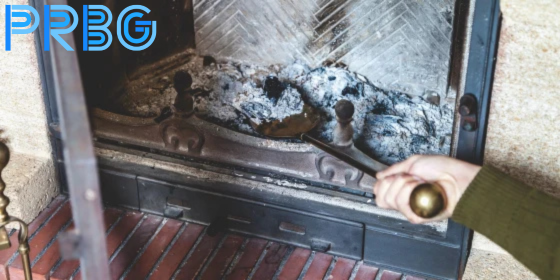
Regular chimney flue cleaning is one of the simplest ways to protect your home from hidden fire and smoke dangers. Because soot and creosote build up inside the flue, a neglected chimney can overheat, catch fire, or push dangerous carbon monoxide back into your rooms. In older UK properties, blocked or dirty flues also cause poor draw, stubborn smoke, and ugly damp stains around the fireplace or chimney breast.
In this guide, you will see when to clean your chimney, how often different fireplaces and stoves should be swept, and which warning signs mean your flue needs attention before the next fire. You will also get a clear comparison between safe DIY jobs and the situations where a professional chimney sweep or roofing team is the only sensible option. This way, you can plan your maintenance calmly instead of reacting to sudden problems in the middle of winter.
PRBG, based in Pontypridd, helps homeowners across South Wales with expert chimney flue repairs, relining, and roof work. The team focuses on safe, neat workmanship and offers a 10‑year guarantee on all major repairs and new installations, giving you long‑term peace of mind.
What Is a Chimney Flue and Why It Needs Cleaning
A chimney flue is the inner passage that carries smoke and fumes from your fire or stove safely outside. In UK homes, people also call it the fireplace flue, flue chimney, or even the chimney chute, but all these terms describe the same channel. In older properties, the flue may be bare brick or stone, while modern systems often use a clay, concrete, or stainless steel liner for better safety and performance. Over time, every type of flue can become dirty if it is not cleaned.
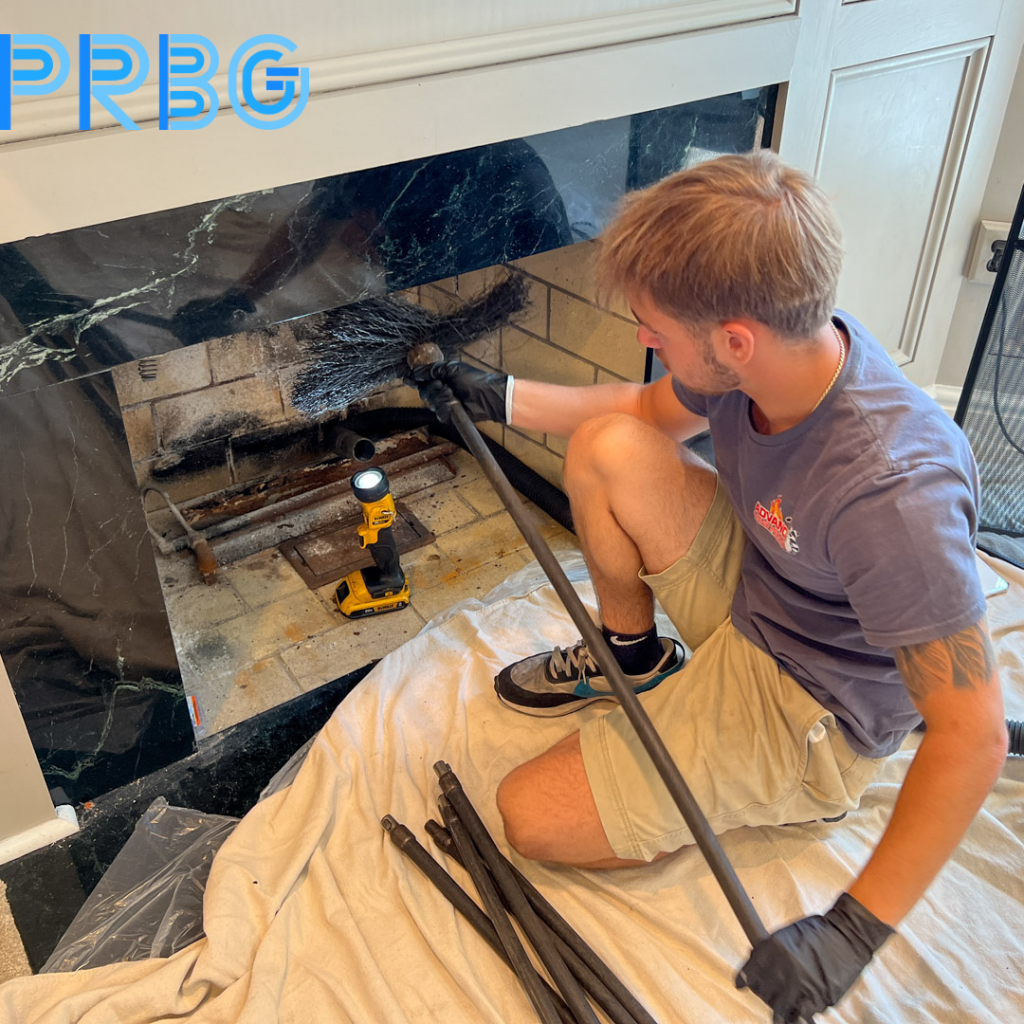
When you burn fuel, soot, tar, and creosote stick to the inside of the flue and slowly build up. Loose debris, bird nests, and broken masonry can also drop into the chimney chute and restrict the airflow. This build‑up increases fire risk, because creosote is highly flammable and can ignite inside the flue. It can also cause smoke to spill back into the room or push dangerous carbon monoxide into living spaces instead of letting it escape outside.
Common UK Flue Types in Pontypridd Homes
Many Pontypridd homes still have open fires with traditional masonry flues, which can gather a lot of soot and need regular sweeping. Others use wood‑burning or multi‑fuel stoves connected to a lined flue, where creosote can form quickly if the wood is damp or the stove is slumbered for long periods. You also see gas appliance flues, which usually produce less visible soot but still need checks to keep fumes moving out safely. Some older houses keep unlined brick flues that were never modernised, and these often need closer inspection because smoke can leak through cracks or thin joints. Because each appliance and fuel behaves differently, how often you clean the chimney flue can vary slightly, which is why a tailored schedule based on your fire type and usage is so important.
How Often Should You Clean Your Chimney Flue?
As a simple rule, most UK chimneys should be cleaned at least once a year to stay safe and efficient. However, if you burn a lot of wood or coal, you will usually need more frequent sweeping because these fuels leave heavier soot and creosote deposits. UK guidance from chimney safety bodies explains that wood and bituminous coal flues should be swept quarterly while they are in regular use. Chimneys that burn smokeless fuel normally need sweeping at least once per year, while gas and oil appliance chimneys also need a yearly inspection and clean as required to keep fumes moving out safely.
How Often to Clean Different Chimneys
If you are wondering how often to clean a wood stove chimney, the safest answer is usually every few months during the main burning season. For many stoves, that means a quarterly sweep when the fire is in regular use, especially if the stove is your main heat source. When thinking about how often a fireplace should be cleaned, an open fire that burns wood or coal will also benefit from at least one annual sweep, with extra visits during heavy winter use. For most homes, arranging a chimney sweep once or twice a year covers normal chimney cleaning needs, but very frequent use or poor fuel quality can justify more visits.
Best Time of Year to Clean a Chimney in South Wales
The best time to book chimney cleaning in Pontypridd and across South Wales is before the main heating season starts, typically in late summer or early autumn. This timing helps you avoid the busy rush when the weather turns cold and ensures your chimney is safe and ready for the first fire. Heavy users, such as households running a wood‑burning stove every day, should also consider a second sweep in mid‑winter to remove the extra creosote and soot that build up during the coldest months.
How Do I Know If My Chimney Needs Cleaning?
One of the clearest signs that your chimney needs cleaning is smoke backing into the room instead of rising cleanly up the flue. If your fire is suddenly hard to light, goes out easily, or the draw feels weak, that can also mean soot or creosote are restricting the chimney. You may notice black, tar‑like deposits on the visible part of the flue, on the stove glass, or around the fireplace opening, which are all signs of creosote build‑up that should not be ignored.
Smell is another strong warning. A persistent sooty, smoky, or tar‑like smell from the fireplace, especially when the fire is off, often points to heavy deposits inside the chimney flue. Bits of soot, black flakes, or pieces of masonry falling into the grate or stove also show that material is breaking loose from inside the flue. Outside or around the chimney breast, watch for staining, damp patches, or visible cracks, as these can suggest moisture and smoke are getting where they should not. If you see any of these safety or damage signs, your chimney is overdue a sweep and a professional inspection.
Can You Clean a Chimney Flue Yourself?
It is possible to clean a chimney flue yourself if the chimney is straightforward, easy to access, and in good condition. A basic DIY job usually means sheeting up the room, accessing the fireplace flue from inside, then using the correct‑sized chimney brush and flexible rods to scrub soot from the chimney chute and flue walls. For this, you need the right tools: a chimney brush matched to your flue diameter, suitable rods, dust sheets, a good mask and goggles, and ideally a shop vacuum designed for ash. Getting the brush size right is vital, because it must reach the side walls without being so tight that it jams or damages the liner.
Step‑by‑Step – How to Clean a Chimney Flue Safely (DIY)
Prepare the room and fireplace
Start by covering nearby furniture and flooring with dust sheets so soot does not spread through the room. Wear a proper dust mask and safety goggles, then close or isolate the appliance as far as possible so loosened soot falls into a controlled area.
Brush the chimney flue
Fit the chimney brush onto the first rod, then insert it carefully into the flue from the fireplace opening. Use a steady up‑and‑down motion, adding rods as needed, to loosen soot and creosote along the full length of the flue.
Check and clean up
When brushing is complete, use a torch to check as far up the flue as you can for remaining debris or obvious blockages. Make sure the chimney cap and flue outlet are unobstructed, then sweep or vacuum up the fallen soot and dispose of it safely once it is cold.
When You Should Not DIY Clean a Chimney
Some situations really do need a professional chimney sweep or roofing specialist. Very heavy or shiny creosote, flues of unknown condition, and tall or awkward roofs are all high‑risk jobs because missed deposits or mistakes can lead to chimney fires or structural damage. You should also avoid DIY if there are signs of flue cracks, smoke leaks, damp staining, or if birds’ nests and severe blockages are present, as these may hide damage that only trained eyes and proper equipment can assess. Trying to work at height without the right access gear risks falls, and an incomplete or unsafe clean can even affect insurance if a chimney fire later causes damage.
Do Chimney Cleaning Logs Really Work?
Chimney cleaning logs and similar flue cleaning products are designed to release chemicals that help loosen creosote as they burn. The smoke carries these chemicals up through the chimney, where they can dry out light, flaky deposits and make them more likely to crack and fall away. In that sense, they can help reduce early‑stage creosote and slow build‑up between proper sweeps. However, they do not physically scrub the flue walls, remove nests or soot layers, or check the chimney for damage.
Because of these limits, cleaning logs should never be seen as a replacement for a full mechanical sweep or professional inspection. They struggle with thick, tar‑like or glazed creosote, which usually needs brushes, rotary tools, and expert techniques to remove safely. Many chimney professionals stress that only a trained sweep can fully clear the flue, remove blockages, and spot cracks, leaks, or other faults that could lead to a chimney fire or carbon monoxide problem.
Safe Use of Chimney Cleaning Logs in UK Homes
Used correctly, chimney cleaning logs can be a useful extra maintenance tool between visits from a NACS or HETAS‑linked sweep. For example, some homeowners burn one log part‑way through the heating season to help loosen light deposits, while still booking an annual or more frequent professional clean. If you live in Pontypridd or elsewhere in South Wales, it is safest to treat these products as a supplement, not a shortcut, especially if you use a wood‑burning stove or open fire regularly. A local professional sweep or a specialist like PRBG can then carry out proper flue maintenance, remove any loosened debris, and check the chimney, liner, and stack for damage before problems grow.
Do Metal Chimney Flues Need Cleaning Too?
Metal chimney flues and stainless steel liners still need regular sweeping, just like traditional brick or clay flues. Even though the metal surface is smoother, smoke from wood, coal, or other fuels still leaves soot and creosote on the liner, and any loose debris or bird activity can cause blockages over time. If creosote is allowed to build up inside a metal flue, it can overheat, damage the liner, and increase the risk of a chimney fire or carbon monoxide entering the home.
Smooth metal usually holds less soot than rough brick or old mortar, which helps deposits slide off more easily. However, cool flue temperatures, restricted airflow, or damp, unseasoned wood all encourage creosote to condense even on steel surfaces. This is why chimney safety guidance still recommends annual cleaning and inspection for lined and metal systems, especially where solid fuel appliances are used regularly.
How Often to Clean a Metal Chimney Flue
For most homes with a metal chimney flue or stainless steel liner, at least one full inspection and sweep per year is recommended. Heavy users, or households burning softer woods or running a stove on most winter days, may need cleaning every six to eight months to keep creosote under control. Usage patterns and fuel type matter more than the exact calendar date, so any signs of soot build‑up, strong smells, or smoke backing up mean you should not wait.
Homeowners in Pontypridd and across South Wales also need to consider local weather, because strong winds and driving rain can affect exposed metal flues and terminals. PRBG has hands‑on experience with chimney flue repairs, relining, and stainless steel liners, so the team can check both the liner and the chimney stack, then clean, repair, or upgrade the system as needed to keep it safe and efficient in real South Wales conditions.
Cleaning a Fireplace Chimney vs a Stove Chimney
Open fireplaces and wood‑burning stoves both need regular chimney cleaning, but the way soot and creosote build up can be quite different. A traditional open fireplace chimney tends to collect loose soot, fallen debris, and bird nests in the open flue, while a stove flue often gathers thicker creosote inside a narrower liner. Because of these differences, the cleaning approach and the urgency of regular sweeps can vary between an open chimney and a stove system.
Cleaning a Traditional Open Fireplace Chimney
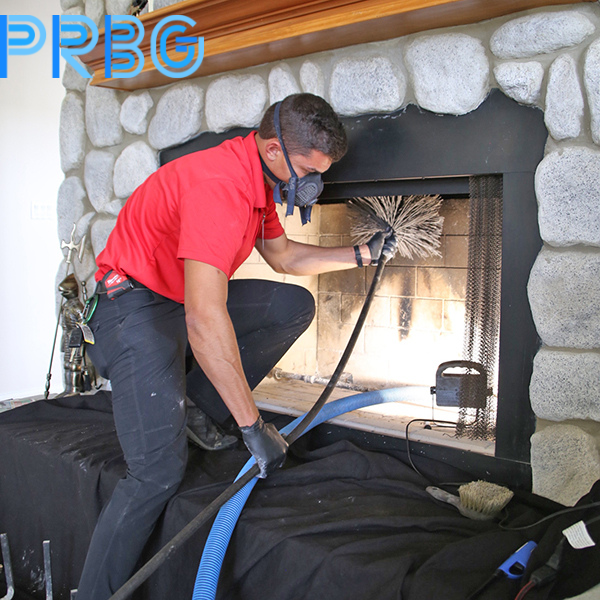
With a traditional open fireplace, the main cleaning focus is on soot, nests, and any loose masonry inside the flue. Professional sweeps use brushes and vacuums to remove soot deposits, bird nests, cobwebs, and other blockages so smoke can rise freely. They will also look for cracked bricks, crumbling mortar, or damp staining, because these can show that smoke, heat, or water are getting into places they should not. Good open‑flue safety always includes fitting and maintaining a proper chimney cap to keep out rain and animals, as well as regular checks for any signs of smoke spilling back into the room.
Cleaning Chimney for a Wood‑Burning Stove
Wood‑burning and multi‑fuel stoves usually send their fumes through a lined flue or metal chimney, which can collect more intense creosote, especially if fuel is damp or the stove is often run at low burn. This creosote can become tar‑like and much harder to remove than the lighter soot from some open fires, which is why log burner chimney sweeps are recommended at least once a year and often more for heavy use. During a stove chimney clean, the sweep will brush or power‑sweep the flue, check the liner, and often clean baffles and connecting pipes so the whole system draws properly and stays safe.
How to Clean a Fireplace Flue and Fireplace Chute
Homeowners often ask how to clean a fireplace flue or fireplace flu, and the basic idea is always the same: protect the room, brush the flue, then clear the fireplace chute and firebox. A sweep will sheet up the area, insert the correct brush into the fireplace flume or flute, and scrub the flue walls while a vacuum captures soot and debris. Once the brushing is complete, the fireplace opening, hearth, and any ledges in the chute are cleaned so loose material cannot fall into the room or onto a future fire. Because working inside a flue involves soot, ladders, and sometimes hidden damage, the safest advice is simple: if you are unsure about how to clean a fireplace flue or fire place flu safely, call a professional chimney sweep or a local specialist such as PRBG rather than taking risks.
Ongoing Chimney Flue Maintenance Tips
Good chimney flue maintenance starts with regular sweeping based on how you use your fire or stove. For many UK homes, an annual sweep is the minimum, but log burner users and households that burn wood or coal heavily often need two or more sweeps per year to keep creosote under control. Alongside cleaning, fitting and maintaining the right chimney cap or cowl helps keep rain, birds, and debris out of the chimney shoot or chute, which reduces blockages and damp problems and protects the flue all year round.
Simple Checks Homeowners Can Do Between Sweeps
Between professional visits, homeowners can carry out a few quick checks to catch trouble early. Look for damp patches, staining, or loose mortar around the chimney breast, in the loft, or on outside brickwork, as these may signal water getting into the chimney structure. Pay attention to changes in appliance performance or unusual smells, such as strong smoke, tar, or musty damp odours, because these can indicate soot build‑up, leaks, or even early chimney damage that needs expert help.
If you suspect blockages, visible cracks, smoke leaks back into the room, or strong tar‑like smells from the fireplace, stop using the fire or stove straight away. At that point, the safest step is to book a professional inspection and sweep, so a trained specialist can check the flue, chimney stack, and cap before you light another fire.
Keep Your Chimney Flue Safe – Book an Inspection Today
Regular chimney flue cleaning and maintenance is one of the easiest ways to cut the risk of chimney fires, carbon monoxide leaks, and costly damage to your home. When the flue stays clear and sound, your fire or stove also burns more efficiently, giving better heat, cleaner glass, and fewer smoky smells in the room. Knowing your chimney is checked and swept on a proper schedule means you can enjoy a warm home with far less worry each heating season.
If you live in Pontypridd or anywhere across South Wales and are unsure when your flue was last checked, now is the right time to act. You can call 0333 335 6086 or request a visit through the PRBG website to arrange chimney cleaning, flue inspection, repairs, or full relining tailored to your property. PRBG is a professional, reliable roofing and chimney specialist, offering long‑lasting workmanship and a 10‑year guarantee on major repairs and new installations, so your chimney, roof, and flue are all looked after by one trusted local team.