Winter in Pontypridd brings cold, wind and driving rain, so a sound chimney is vital for safety and comfort. When a chimney is not winter‑ready, smoke and fumes can struggle to escape, which increases the risk of carbon monoxide entering living spaces. In addition, cracked caps, worn mortar and damaged flashing let South Wales rain seep into brickwork, which leads to damp patches, stained ceilings and even internal leaks. Over time this hidden moisture also weakens the flue and masonry, so heat is lost faster and heating bills climb during the coldest months. A simple winter chimney check therefore protects your family, your roof and your budget at the same time.
PRBG is a trusted local roofing and chimney specialist serving Pontypridd and wider South Wales. The team has over 20 years of experience in roof and chimney repairs and is known for reliable workmanship and clear, honest advice. All major repairs and new installations come with a 10 year guarantee, which gives Pontypridd homeowners long‑term peace of mind in harsh winter weather. For friendly guidance or to book a winter chimney inspection, you can call PRBG directly on 0333 335 6086 and speak to a local specialist.
Why Does Winter Chimney Maintenance Matters in Pontypridd?
South Wales winters often bring driving rain, strong valley winds and sharp cold snaps that punish exposed chimneys. Heavy rain finds every weakness, so even a small gap in the chimney cap, crown or pointing can let water soak into brickwork and flue tiles. When that trapped moisture freezes and thaws, it expands inside joints and liners, which slowly cracks caps, crowns and flues. At the same time, gusty winds push rain sideways against the stack and roof junctions, which stresses flashing and mortar around the base. Over several winters this cycle turns a once solid chimney into a leaking, draughty and unstable part of the roof.
These weather patterns create a few very common winter problems for Pontypridd homes. Chimney leaks often start with cracked crowns, loose mortar joints or faulty flashing, so water runs down into loft spaces and internal walls. Cracked or unlined flues let hot gases and moisture escape into the stack, which leads to damp stains, crumbling plaster and even flue gas safety risks. Damaged flashing at the roof junction lets rain track under tiles, so ceilings stain and insulation stays wet for weeks after a storm. All of this also means more heat loss up the chimney, so the fire works harder while rooms still feel cold and uncomfortable on winter evenings.
Pre‑Winter Chimney Safety Checks for Pontypridd Homes
Before the fire goes on every evening, a quick winter safety check helps you spot chimney problems early. These simple steps are safe to do from ground level or inside your living room and give you a clear idea when it is time to call a local Pontypridd roofer like PRBG.
Visual Roofline and Chimney Inspection
Start by standing where you can see the whole roofline and chimney without straining or climbing. Look at the stack and ask whether it still looks straight, or if it seems to lean compared with nearby walls or TV aerials. Then scan the brickwork for loose or missing bricks, spalled faces, dark patches or flaking surfaces that suggest water damage. Mortar should form neat, complete lines, so note any crumbling joints, gaps or sections that look freshly washed out by rain. Finally, check the chimney cap or cowl for obvious cracks, rust, missing mesh or signs it has shifted after recent storms. If access needs ladders, you have a flat roof or the chimney sits on a complex roofline, it is safer to book a local roofer in Pontypridd, such as PRBG, for a close‑up winter inspection and repairs.
Chimney Flue Condition and Draft Check
Indoors, you can run a quick draft and flue condition check before heavy winter use. When you light a small, well‑seasoned fire, watch whether smoke rises cleanly or lingers and pushes back into the room. Cold downdraughts, where you feel chilly air falling down the flue, often point to pressure or blockage issues that need expert attention. You should also look for brown staining, flaky plaster, or damp marks around the fireplace opening, together with any musty or smoky smells when the fire is out. These are classic signs that the liner or joints may be damaged, which is a good time to search for chimney flue repair, chimney and flue repair, chimney flue repairs near me or a specialist chimney flue repair contractor in Pontypridd.
Chimney Flue Problems to Look For This Winter
Can a Chimney Flue Be Repaired?
Yes, in many cases a chimney flue can be repaired, but sometimes full flue relining is the only safe option. Localised chimney flue repair works best when most of the liner is sound and the damage is limited to small areas, such as hairline cracks, failed mortar joints between tiles or a few damaged sections near the top. In these cases, a specialist may carry out chimney flue crack repair by sealing cracks, refilling joints, replacing individual clay tiles or inserting short metal sections, rather than renewing the whole flue. Full relining becomes realistic, and often essential, when there are widespread cracks, missing tiles, long‑term smoke leakage, rusted metal flue pipes or a badly broken damper area that can no longer be made reliably gas‑tight. If your appliance has been upgraded or the old flue is undersized or out of date, a new liner is usually the safer long‑term solution.
Signs You Need Chimney Flue Repair
Several clear warning signs suggest it is time to plan chimney flue repair before winter use. Visible cracks inside the flue, or bits of tile and mortar collecting in the fireplace, often mean the liner is breaking down and needs chimney flue crack repair rather than simple sweeping. Smoke that seeps from joints, escapes into the room or leaves heavy, tar‑like staining on the firebox walls can indicate gaps in the liner that call for chimney flue liner repair. Dark brown or black streaks on the chimney breast, or water ingress around the flue after rain, point to failed joints that may need targeted chimney flue mortar repair or chimney flue pipe repair if metal sections have started to rust. When any of these symptoms appear, it is wise to stop using the fire and arrange a professional inspection instead of attempting how to repair a cracked chimney flue on your own.
Clay, Metal and Liner Damage
Different flue materials fail in different ways, so repair options vary by type. Clay chimney flues use individual tiles, so clay chimney flue liner repair or broader clay chimney flue repair often involves replacing cracked tiles, repointing joints and smoothing rough edges after years of heat and moisture. Metal chimney flues tend to suffer from corrosion and joint failure, so metal chimney flue repair may focus on renewing rusted sections, sealing loose connections or upgrading to a new stainless steel liner where damage is extensive. In both cases, chimney flue tile repair and modern relining systems aim to restore a continuous, gas‑tight passage so that smoke, heat and fumes stay inside the flue. Damaged liners are a serious safety issue, because even small cracks can let heat, sparks and creosote reach masonry or timbers and can allow carbon monoxide to leak into living areas. For that reason, timely winter repair or relining is critical if you want to prevent chimney fires and silent carbon monoxide risks in your Pontypridd home.
Step‑by‑Step Winter Chimney Maintenance Checklist
Indoors: Fireplace and Flue Preparation
Start by clearing cold ash, soot and loose debris from the firebox into a metal bucket with a tight lid. With the fireplace empty, look up into the throat and check that the damper opens fully, closes firmly and moves smoothly without grinding or sticking. If the plate hangs crooked, will not stay in position or has visible rust holes, it may be time to arrange professional chimney flue damper repair so smoke and heat stay under control. While you are there, shine a torch into the lower flue and look for visible cracks, missing pieces or loose tile fragments resting on the ledges. Before you settle into regular winter use, test every smoke alarm and carbon monoxide alarm on the same floor, then replace weak batteries or outdated units so you have early warning if a flue problem develops.
Outdoors: Stack, Cap, Crown and Flashing
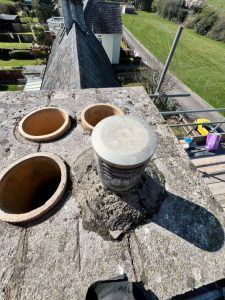
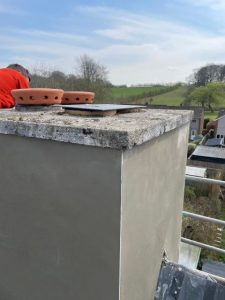
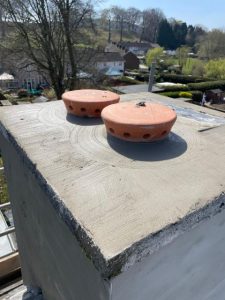
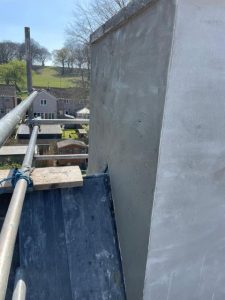
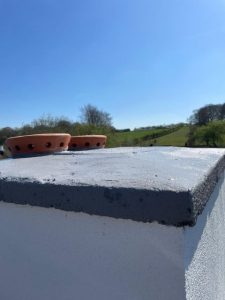
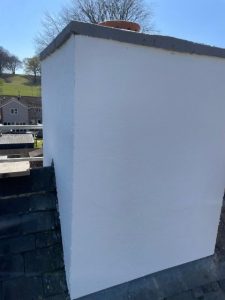
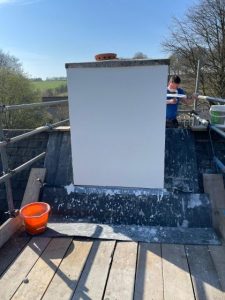
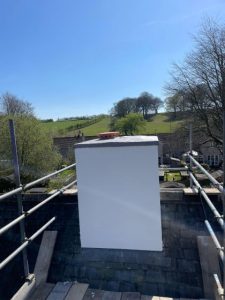
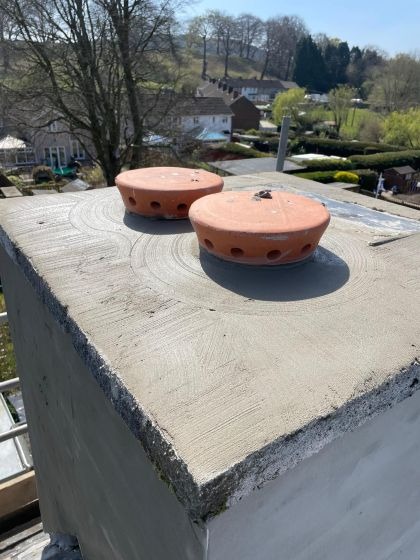
From the ground, check that the stack still looks straight and scan the top section where the cap, crown and roof meet. The chimney cap should sit level with no wobble, and you should not see cracked lids, bent metal, missing mesh or fasteners lifting after recent South Wales storms. Any damage here is a strong hint you may soon need chimney flue cap repair to stop rain, birds and debris entering the flue. Next, look for obvious gaps or dark streaks across the crown and mortar, plus staining or moss where the flashing meets the roof, because these are classic chimney leak points at the crown, flashing and joints. If you spot these issues, it makes sense to book roof repair in Pontypridd with a local roofer such as PRBG, who can handle cap work, crown sealing, flashing renewal and chimney leak repair in one safe visit.
Flue and Liner Maintenance Tasks
Before heavy winter use, a full sweep and inspection keeps the flue clear and reveals hidden damage. A professional sweep removes soot and creosote, then checks the visible sections of the liner for cracks, missing tiles and loose mortar that could affect draft or safety. Many specialists now use cameras to inspect the entire flue from top to bottom, which helps them choose the right chimney flue repair methods for your setup. Depending on what they find, they may suggest targeted chimney flue liner repair, chimney flue tile repair or chimney flue mortar repair, or a more comprehensive approach if damage runs along most of the flue. Getting these tasks done early in the season means your Pontypridd home is ready for regular fires without worrying about hidden flue problems each time you light the stove.
DIY vs Professional Chimney Flue Repair in Pontypridd
What Homeowners Can Safely Do Themselves
For most Pontypridd homes, DIY chimney work should stay limited to low‑risk checks and very minor cosmetic fixes. Safe tasks include ground‑level visual checks, clearing loose debris from the firebox, and noting obvious issues before you look into chimney flue repair DIY options. If there are tiny non‑structural gaps around a register plate or decorative surround, some people use basic sealing products, but these should never replace proper chimney and flue repair higher up the stack. A simple chimney flue repair kit can sometimes help with surface sealing in accessible areas, yet it will not fix deep cracks, loose tiles or hidden liner failure. When you research how to repair a chimney flue or how to repair a cracked chimney flue, it is worth remembering that any work inside the main flue must stay gas‑tight and meet UK safety rules, so DIY should never attempt full liner replacement. Homeowners can, however, compare the cost to repair chimney flue between DIY patch products and professional quotes, then decide whether short‑term savings are worth the risk of missed damage or future rework.
When to Call a Local Chimney Flue Repair Contractor
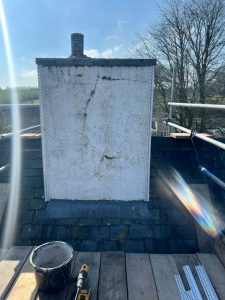
Some problems always need a qualified chimney flue repair contractor, especially in older Pontypridd properties. Structural cracks running along the stack, a chimney that leans, or widespread spalling and crumbling mortar all point to deeper issues that go far beyond chimney flue repair DIY. Persistent chimney leaks, stained ceilings around the stack, or damp patches on the chimney breast often mean the crown, flashing and liner are all involved, so you need full chimney and flue repair rather than a quick patch. Extensive liner failure, where multiple tiles are cracked or metal sections are rusted through, is another clear moment to search for chimney flue repairs near me and bring in an expert who can reline the flue to current standards. If you ever suspect carbon monoxide risks, such as headaches, nausea or alarms sounding when the fire is on, you should stop using the appliance and book professional help immediately instead of attempting any DIY fix.
In Pontypridd and across South Wales, PRBG offers chimney, roofing and flue services with decades of experience and a 10 year guarantee on major repairs and new installations. Choosing a local team like PRBG as your chimney flue repair contractor means your chimney flue repairs are completed safely, with proper materials, written estimates and long‑term protection against leaks, drafts and liner failure in harsh Welsh winters.
Winter Chimney Flue Repair Costs in the UK
Typical Chimney Flue Repair Cost UK
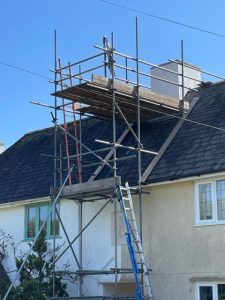
Chimney flue repair cost in the UK varies widely because every stack and liner is different. Key factors include the height of the chimney, how easy it is to reach, the level of damage and whether you have a clay liner, metal liner or older tile system. Safe access often adds a big chunk to the bill, because scaffolding or towers are usually required for work above roof level and can cost several hundred pounds on their own. Material choice also matters, as stainless steel and clay liners have different supply prices per metre and different labour demands, which affects overall chimney flue liner repair cost. As a rough guide, UK cost breakdowns show that simple cracked chimney flue repair cost for minor localised work tends to sit in the lower bands, while full relining or complex chimney flue tile repair cost falls toward the higher bands due to extra time, access and materials. Because of these variables, most homeowners in Pontypridd compare quotes rather than relying on a single figure for chimney flue repair cost.
Hidden Winter Costs: Ignoring Flue and Chimney Repairs
Delaying flue or chimney repairs in winter often turns a small problem into a much more expensive one. When cracks in the crown, flashing or liner stay open through a wet South Wales season, water can soak into masonry, leading to damp ceilings, spoiled paintwork and internal plaster damage around the chimney breast. Persistent leaks may spread into loft insulation and timbers, so what started as a modest chimney flue issue becomes a roof leak that needs tile work, new insulation and plaster repairs as well. If water and frost keep attacking a neglected stack, long‑term structural damage can follow and, in the worst cases, homeowners face partial or full chimney rebuilds rather than straightforward chimney flue repairs.
For Pontypridd and wider South Wales, PRBG helps avoid these hidden winter costs by offering roof and chimney inspections, clear advice and transparent, written estimates before any work starts. Their team handles everything from leak tracing at the crown and flashing to full liner work, and major repairs and new installations come with a 10 year guarantee, giving local homeowners confidence that their investment in chimney and roof repairs will last.
Related Winter Chimney and Roof Repairs PRBG Can Help With
Chimney Leak Repair and Waterproofing
Winter chimney leaks usually start at weak points where water can sit or drive in during heavy South Wales rain. Cracked crowns allow water to pool and soak down into the masonry, while damaged or missing caps leave the flue open to direct rain, wind‑driven spray and debris. Poor or aging flashing around the base of the stack lets water track between chimney and roof, and porous brickwork or worn mortar joints act like a sponge so moisture slowly reaches loft spaces and ceilings.
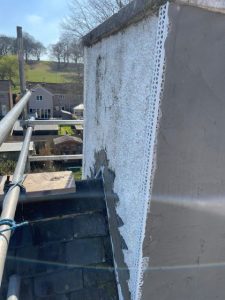
PRBG tackles all of these winter leak sources with dedicated chimney leak repair South Wales services. Their roofers inspect the cap, crown, brickwork and flashing together, then carry out chimney cap and crown repairs, targeted repointing and leak‑focused flashing work so the whole top of the chimney is watertight again. Because PRBG is also a roof repair specialist in Pontypridd, you can have chimney leak points and any related roof issues handled in one integrated visit, backed by written quotes and a 10 year guarantee on major repairs.
Roof Repairs and Retrofits Around the Chimney
Good winter chimney performance depends on the surrounding roof being in strong, weather‑resistant condition. Loose or broken roof tiles near the stack, aging flat roof membranes and blocked junctions can trap water around the chimney base, which increases the risk of leaks and long‑term damp. Poor ventilation in the loft or roof void also encourages condensation to form on cold masonry and liners, so moisture problems build up even when it is not raining.
PRBG can repair and replace tiles, renew flat roof coverings and upgrade roof details around the chimney so water sheds cleanly away from the stack. Through PRBGE, the group also offers roofing retrofit and ventilation solutions that enhance airflow, reduce condensation and protect roof structures from moisture build‑up across South Wales. Together, PRBG and PRBGE support homes in Pontypridd, Cardiff, Swansea, Newport and surrounding areas, combining chimney repairs, roof work and modern ventilation upgrades to keep properties dry and winter‑ready.
Why Pontypridd Homeowners Trust PRBG for Winter Chimney Maintenance
Pontypridd homeowners turn to PRBG in winter because the company specialises in roofing, building and chimney services across South Wales and has been doing so for over 20 years. PRBG is recognised for reliable, high‑quality roof and chimney repairs in Pontypridd, backed by strong local reviews and a proven track record on both domestic and commercial projects. This depth of experience means the team understands exactly how Welsh winter weather affects chimneys, flat roofs and tiled roofs, so they can recommend fixes that last.
Key brand promises also give Pontypridd households extra confidence when they book winter chimney maintenance. PRBG provides specialist chimney and roof repair expertise, uses quality materials and issues clear, written quotes with transparent pricing and no hidden extras. All major repairs and new installations come with a 10 year guarantee, and booking is simple via 0333 335 6086, so homeowners can arrange inspections and repairs before the harshest winter storms arrive.