

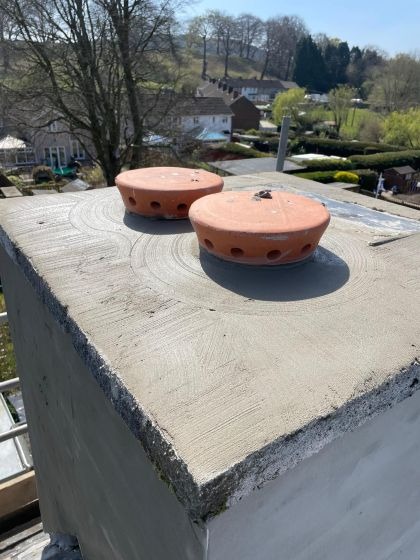
A chimney cap is a metal cover fitted over the top of the flue, while the chimney crown or mortar cap is the concrete or mortar slab that seals the top of the chimney stack around the flue opening. Together, they act like a small roof for your chimney, shedding rain, blocking wind‑driven debris, stopping birds and animals entering, and reducing smoke‑pushing downdrafts back into your home. When these parts crack or rust, water can soak into the bricks and mortar, which then leads to leaks, internal chimney damage, and even flue or liner issues over time.
South Wales chimneys face heavy rain, strong coastal winds, and repeated freeze–thaw cycles, so any gap in the crown or missing cap quickly becomes a pathway for water and draught problems. In storms, driving rain and gusts can force moisture through tiny cracks, damage pointing, and push cold air down the flue, which is why keeping the cap and mortar crown intact is critical for preventing leaks and costly internal repairs.
PRBG is a trusted local roofing and chimney specialist based in Pontypridd, providing expert chimney cap, crown, and full chimney repairs across South Wales. The team offers free, clear estimates and backs all major repairs and new installations with a 10‑year guarantee, giving homeowners long‑term protection and real peace of mind in the South Wales weather. If you are worried about your chimney cap or crown, you can call PRBG on 0333 335 6086 for friendly advice and a local inspection.
What Is a Chimney Cap, Crown, and Mortar Cap?
A chimney cap, crown, and mortar cap all sit at the very top of the stack, but each part does a different job in keeping water and weather out of your home. Understanding this makes it easier to read UK chimney repair quotes and compare “what is a chimney cap UK”, “chimney crown vs cap”, or “chimney mortar cap explained” when you are researching online.
Chimney cap, crown, and mortar cap defined
- A metal chimney cap is the cage‑style metal cover that sits above the flue pot, usually in stainless steel or similar material, and acts like a hat to stop rain, birds, animals, leaves, and downdrafts entering the flue.
- A concrete or cement chimney crown is the solid slab that seals the very top of the masonry stack around the flue, often slightly sloped with a drip edge so water runs off the bricks rather than soaking into them.
- A chimney mortar cap (sometimes called a “mortar wash” in UK quotes) is a crown formed from mortar rather than high‑strength concrete, which still sheds water but tends to crack and weather faster if it was only made from leftover mortar during construction.
How these parts work as one weatherproofing system
The metal cap covers the flue opening, while the concrete or mortar crown covers the brickwork at the top, so together they protect both the inside of the flue and the outside of the stack from rain, debris, and downdrafts. Proper chimney flashing then ties the stack into the roof covering, and flashing under the crown links the crown and flue liner, so water is diverted away from joints between the liner, brickwork, and roof instead of leaking into the loft or walls. When the cap, crown or mortar cap fail, the whole weatherproofing system is weakened, which is why UK roofers treat them as one package in many “chimney crown vs cap” or “chimney cap repair” jobs.
Common Chimney Cap Problems in UK Homes
Common chimney cap problems in UK homes usually start small but can quickly turn into leaks and structural damage if they are ignored. Because the cap and crown sit at the very top of the stack, they take the full force of rain, frost, and wind, so wear and tear is very common in older South Wales properties.
Typical chimney cap and crown issues
Homeowners often see cracks in the concrete chimney cap or crown where water has frozen and expanded, widening hairline gaps over time. Metal chimney caps can also work loose in high winds, rust through, or lose their mesh screens, while some stacks are left with no cap at all, which leaves the flue wide open to the weather. Failed or crumbling mortar around the cap, poor previous patch repairs, and gaps where water tracks under the cap into the brickwork are other routine problems seen during UK chimney inspections.
Visible signs something is wrong
From the ground, you might notice staining or dark streaks on the chimney, flaking render, or even loose bricks near the top of the stack. Inside the house, damp patches on ceilings near the chimney, musty smells, or water marks around the fireplace all suggest water is getting past the cap or crown, while birds, nests, feathers, or bits of debris in the flue are strong clues that the cap is loose, damaged, or missing.
What happens if a chimney cap is damaged or missing?
When a chimney cap is damaged or missing, rain can pour straight into the flue and crown, washing out mortar, rusting metal parts, and speeding up brick decay through freeze–thaw cycles. Over time this leads to serious problems such as internal leaks, mould, weakened masonry, poor draft, smoke blowing back into rooms, and higher risk of blockages from nests and debris, which is why experts class a failed cap as a problem you should never ignore.
Is It Safe to Use a Chimney with a Damaged Cap?
Using a chimney with a damaged cap is not considered safe in the long term, because it exposes the flue and masonry to water, debris, and serious structural damage. In many cases, you should avoid lighting fires or using gas appliances until a qualified roofer or chimney professional has inspected and made the cap and crown sound again.
Safety and structural risks
When the cap or crown is cracked or broken, rainwater can enter the chimney, soak into bricks and mortar, and freeze in cold weather, which then forces cracks wider and slowly weakens joints. Over time, this moisture penetration can damage the flue liner, rust dampers and metal parts, cause smoke or fumes to escape into the property, and even contribute to chimney leaks that show up as damp patches or internal water damage.
When it is unsafe to use the fireplace or gas appliance
If you can see visible cracks in the cap or crown, signs of water leaks, falling debris in the fireplace, or any evidence that the cap is loose or missing, the safest approach is to stop using the fireplace or gas appliance until it has been checked. Fire‑safety guidance and chimney specialists recommend an inspection where there is known damage, because poor venting or hidden flue deterioration can increase the risk of chimney fires or carbon monoxide entering living spaces.
Can a cracked chimney cap cause a leak?
Yes, a cracked chimney cap or crown can directly cause leaks, because those cracks allow rainwater to seep into the chimney and surrounding masonry instead of shedding it away. That water can then travel into ceilings, walls, and loft spaces, leading to visible damp, mould growth, and longer‑term structural deterioration if it is not repaired.
Can I still use my fireplace if my chimney cap is broken?
Technically the fireplace may still “work,” but experts advise that you should not keep using a fireplace or stove with a broken or missing cap, especially if there are signs of leaks, debris, or poor draft. Until a qualified chimney or roofing professional has inspected the system and repaired or replaced the cap, using it risks further damage, blocked flues, smoke problems, and potential safety hazards inside the home.
Chimney Cap Repair Cost UK: At‑a‑Glance
Chimney cap repair costs in the UK usually sit in the low hundreds of pounds, but access and damage level can push prices higher, especially on taller South Wales properties. For an accurate figure on your own home, it is always best to get a tailored quote from a local specialist like PRBG in Pontypridd.
Typical UK chimney cap repair price ranges
For simple chimney cap repair or minor crack sealing on the crown, UK homeowners can expect guide prices in the region of about £100–£250 when access is straightforward. A new standard chimney cap supplied and fitted, such as a basic cowl or rain cap, typically costs around £150–£250, with averages near £180 reported for standard installations, but this can rise towards £300–£500 for larger or more complex setups. More extensive concrete chimney crown or mortar cap repair and partial rebuild works usually fall somewhere between roughly £400 and £1,200+, which aligns with wider UK chimney crown repair ranges quoted by roofing and chimney specialists.
Why prices go up or down
Several factors move the cost of chimney cap repair up or down, including the height of the chimney, whether safe access needs full scaffolding, the number of chimneys or flues, and the condition of surrounding brickwork and lead flashing. If the roofer finds extra problems like loose bricks, failed pointing, or flashing that also needs replacing, the total price will be higher than a simple cap swap, which is why many guides recommend a professional inspection and itemised quote before work starts.
What is the average cost of chimney cap repair in the UK?
Across UK cost guides, minor chimney repairs start from about £100, while typical chimney jobs often sit in the mid‑hundreds once labour and any access equipment are included, so many homeowners can expect a chimney cap repair or replacement to come in somewhere around the £150–£400 mark for standard, easy‑access work. However, this is only an average; the real figure for your property in South Wales will depend on inspection findings, so contacting PRBG for a free, fixed quotation is the best way to get a clear number before you commit.
Why do quotes for chimney cap repair vary so much?
Quotes vary because no two chimneys are the same: roof pitch, height, location, brick condition, flashing type, and whether scaffolding is needed all change the time and materials required. In addition, some quotes only cover a basic cap swap, while better contractors price in proper crown repairs, safe access, and guarantees, so asking PRBG to explain exactly what is included in your Pontypridd or South Wales quote will help you compare like‑for‑like and avoid surprises.
DIY Chimney Cap Repair vs Hiring a Professional
DIY chimney cap repair is sometimes possible for very small, surface‑level problems, but anything structural, high, or linked to leaks is best left to a professional roofer or chimney specialist. In South Wales, where wet and windy conditions punish exposed chimney tops, most meaningful repairs are safer and more durable when handled by an experienced local contractor.
When DIY chimney cap repair might be possible
DIY can be an option if you only have tiny hairline cracks on an otherwise solid concrete or mortar cap, no signs of leaks inside, and safe, simple roof access. In those cases, a competent DIYer who is comfortable working at height, uses proper safety gear, and follows the instructions for specialist chimney cap repair products or waterproof sealants may be able to clean the area and seal minor cracks as a temporary measure. However, even with small jobs, you still need to watch the cap over time; if cracks grow or new damage appears, DIY patching is no longer enough and a professional should be called.
When you should hire a professional roofer
Professional repair is strongly recommended when there are structural cracks across the crown, chunks of concrete missing, loose brickwork around the top of the stack, or any evidence of leaks into the loft, ceilings, or chimney breast. You should also call a roofer or chimney specialist if the roof is tall or steep, access looks unsafe without scaffolding, the flashing around the chimney is damaged, or if the chimney serves a gas appliance, where flue safety and regulations are critical. In these situations, a trained professional can diagnose the root cause, repair or rebuild the cap properly, and make sure the whole system is safe and weatherproof.
Can I repair a chimney cap myself?
You can sometimes repair a chimney cap yourself if the damage is limited to small hairline cracks and you have secure access and the right products, but even experts describe this as suitable only for superficial issues. If you see bigger cracks, water staining, loose mortar, or feel unsure about working at height, it is safer and more cost‑effective to book a professional inspection instead of risking a failed DIY fix.
Is chimney cap repair a DIY job or should I call a roofer?
Chimney cap repair sits on the borderline between DIY and specialist work: basic sealing can sometimes be a DIY job, yet most cap problems involve height, weather exposure, leaks, or structural concerns that justify calling a roofer. In practice, many homeowners choose to call a roofing or chimney company for any cap or crown damage because the team can inspect the whole stack, fix underlying issues, and provide a lasting repair backed by professional experience and, often, a guarantee.
Pros and cons table (DIY vs professional)
Here’s a clear pros and cons style table comparing DIY chimney cap repair with professional chimney cap repair by a specialist like PRBG in Pontypridd.
| Factor | DIY chimney cap repair | Professional chimney cap repair (PRBG) |
| Safety at height | Higher risk because most homeowners do not have harnesses, roof ladders, or training for working safely on pitched roofs. | Much safer, as trained roofers use proper access equipment, PPE, and can handle South Wales wind and weather conditions on high or awkward chimneys. |
| Correct diagnosis | You may only see the obvious crack and miss hidden problems in the crown, brickwork, or flashing, so repairs risk being short‑term patches. | PRBG can inspect the whole stack, spot underlying issues such as failed mortar or flashing, and recommend the right long‑term fix, not just a quick patch. |
| Durability / guarantee | DIY sealants or mortar often give a temporary improvement but come with no workmanship guarantee and may fail sooner under South Wales weather. | Professional chimney cap repairs are carried out with suitable materials and techniques and can be backed by written guarantees of up to 10 years on major repairs. |
| Cost | Upfront cost is lower because you only buy materials, but mistakes, missed damage, or leaks can lead to more expensive professional repairs later. | Initial quote is higher than DIY, yet a correct repair that prevents repeat leaks, damp, and structural damage often works out cheaper over the life of the roof. |
| Time | Researching methods, sourcing products, and working carefully at height can take a full day or weekend for a non‑specialist. | A PRBG team can usually inspect, diagnose, and complete many chimney cap repairs far faster, freeing your time and reducing how long your chimney is exposed. |
| Compliance with UK regs / appliance guidance | Easy to overlook UK Building Regulations and appliance manufacturer requirements for flues, clearances, and ventilation, especially for gas appliances. | Professional contractors understand chimney and gas‑appliance guidance and can ensure repairs do not compromise flue performance or safety compliance. |
Step‑by‑Step: How to Repair a Chimney Cap (For Simple DIY Jobs)
Simple DIY chimney cap repair should only be used for very minor, surface cracks on a sound crown or mortar cap, and only when it is safe to reach the chimney. These steps are a basic guide, not a substitute for professional advice; if you feel unsure at any point, stop and call a roofer.
1. Stay safe and decide if DIY is appropriate
Before anything else, assess whether you can safely reach the chimney using secure ladders or a proper access platform, and avoid DIY if the chimney is high or access is awkward. DIY is only suitable for tiny hairline cracks or small chips on a solid cap; if you see large cracks, loose bricks, signs of leaks inside, or damage to the flashing, you should contact a professional instead.
2. Inspect and clean the cap
From a safe working position, visually check the entire cap or crown, noting hairline cracks, small holes, and areas where water might sit. Use a stiff or stainless‑steel wire brush to remove moss, dirt, and loose material from the surface, then sweep or vacuum away dust so that repair products can bond properly.
3. Seal minor hairline cracks
For very small cracks that do not affect the structure, apply a suitable chimney crown or masonry crack sealant, following the manufacturer’s instructions for temperature and drying time. Work the sealant into the crack with a brush or applicator so it fills the gap fully, then smooth the surface so water can run off rather than sit in tiny dips.
4. Patch small chips or low spots
If cleaning has exposed small chips or shallow dips that might hold water, mix a compatible chimney repair mortar or patching compound as directed on the bag or tub. Trowel a thin layer into damaged spots, level it carefully to blend with the rest of the cap, and avoid building thick, heavy patches that could crack again.
5. Optionally apply a waterproof coating
Once local repairs have cured, some guides suggest applying a specialist elastomeric crown coating or water‑repellent over the whole cap to improve shedding and reduce future moisture penetration. This type of product helps seal hairline imperfections and allows the surface to flex with temperature changes, but you must still monitor the cap for any new damage in future seasons.
6. When to stop and call a professional
If cracks keep growing, pieces of the cap break away, you see damp patches indoors, or working at height feels risky, DIY is no longer appropriate and professional help is needed. A roofer or chimney specialist can rebuild the crown, address flashing or brickwork issues, and make sure the whole system complies with UK safety guidance for solid‑fuel and gas appliances.
Professional Chimney Cap Repair Process with PRBG
Professional chimney cap repair with PRBG follows a clear, step‑by‑step process designed to find the real cause of problems, not just patch surface cracks. This approach suits South Wales homes where heavy rain and storms can quickly turn minor cap issues into leaks and internal damage.
1. Initial contact and free chimney cap assessment
When you contact PRBG about a damaged or leaking chimney cap, the team arranges a convenient visit to your Pontypridd or South Wales property and explains what will be checked. A trained roofer inspects the chimney from outside, looking at the metal cap, concrete or mortar crown, pots, brickwork, and lead flashing, and may also check inside for signs of damp or staining around the chimney breast or loft.
2. Diagnosis, photos, and clear quotation
After the inspection, PRBG talks you through the findings in plain language, often using photos to show cracks in the cap, failed mortar, loose bricks, or flashing issues that are letting water in. You then receive a clear, written quote that sets out whether the solution is a simple cap repair, a new cap supply and fit, or more extensive chimney crown or mortar cap repair, including any access costs such as scaffold if required.
3. Repair or replacement of the chimney cap and crown
On the agreed date, PRBG’s roofers set up safe access and remove any loose or defective material from the chimney cap area before starting repairs. Depending on what was agreed, they may reseat or replace the metal cap, repair or rebuild sections of the concrete or mortar crown, repoint weakened joints, and address any related flashing problems so the whole top of the chimney is watertight again.
4. Testing, clean‑up, and long‑term protection
Once the repair is complete, the team checks that water now sheds correctly away from the flue and brickwork and that no obvious entry points remain around the cap or crown. PRBG then tidies the work area, advises you on any ongoing maintenance or inspections, and confirms the 10‑year guarantee on major chimney and roof repairs and new installations, giving you long‑term reassurance in the South Wales weather.
If you want this full professional chimney cap repair service for your Pontypridd or South Wales home, you can contact PRBG for a free inspection and quote on 0333 335 6086.
Common Types of Chimney Cap Repairs
Chimney cap repairs usually fall into a few clear categories, from light sealing and patching through to full crown rebuilds and leak repairs around the cap area. These examples help UK homeowners understand what a roofer like PRBG might recommend after inspecting a damaged cap or crown.
Cement and concrete chimney cap repairs
Minor crack sealing is used when a cement or concrete chimney crown only has hairline cracks; the surface is cleaned and specialist crown sealants or masonry repair products are brushed into the cracks to stop water getting in. When surface damage is more widespread but the structure is still sound, roofers can apply an elastomeric “crown coat” or resurfacing layer over the whole top to create a flexible, waterproof skin that sheds rain more effectively. In severe cases, where the crown has deep cracks, missing chunks, or is crumbling away, the proper solution is a full rebuild: the old crown is removed and a new, sloped concrete cap is formed with the correct overhang and drip edges to protect the brickwork below.
Metal chimney cap repair and replacement
For metal chimney caps and cowls, common repairs include re‑securing loose fixings, replacing rusted or damaged mesh that keeps out birds, and resealing the base where the cap meets the crown to prevent water tracking underneath. Where the existing cap is badly rusted, bent, or the wrong size, a roofer will usually recommend removing it and fitting a new, correctly sized stainless‑steel or similar cap, securely fixed and sealed so it resists wind and rain over the long term.
Chimney cap leak repairs around crown and flashing
If a leaking chimney is traced to the top, repairs often combine cap work with extra waterproofing and flashing improvements rather than treating the cap in isolation. Typical leak‑focused repairs include sealing or rebuilding the crown, renewing or upgrading the metal cap, re‑pointing open mortar joints, and, where needed, replacing or resealing the lead flashing around the chimney so water cannot enter at the junction between roof and stack.
Who Repairs Chimney Caps in the UK?
Chimney cap repairs in the UK are usually handled by roofing and chimney specialists rather than general handymen. These trades have the right access equipment and experience to work safely at height and deal with both the cap and the surrounding chimney structure.
Typical trades who repair chimney caps
Most chimney cap and crown repairs are carried out by:
- Roofing contractors who offer full chimney repair services, including cap and crown repair, cowl fitting, repointing, and flashing work.
- Dedicated chimney repair and maintenance companies that install rain caps, cowls, and carry out chimney capping as part of their service.
- Some chimney sweeps who also provide minor repair and cap fitting, although larger structural or leak‑related jobs usually go to roofers or chimney specialists.
Local option for South Wales homeowners
In areas like Pontypridd and wider South Wales, chimney caps are typically repaired or replaced by local roofing firms that specialise in chimney work and leak diagnosis, often as part of broader roof repair services. For homeowners near Pontypridd, a specialist like PRBG provides this kind of chimney cap and crown repair service alongside roof repairs, giving one point of contact for both the chimney top and the surrounding roof area.
Preventing Future Chimney Cap Damage
Preventing future chimney cap damage mainly comes down to regular checks, fast repairs, and good weatherproofing, especially in wet and windy areas like South Wales. Simple, planned maintenance is usually far cheaper than dealing with leaks, damp ceilings, or a failing chimney crown later on.
Simple maintenance to protect your cap and crown
Checking the chimney cap and crown at least once a year, ideally in spring or early summer, helps you spot fine cracks, rust, loose fixings, or displaced caps before winter arrives. Keeping the top of the chimney clear of moss, leaves, and debris, and making sure the cap’s mesh and fixings are secure, reduces water sitting on the surface and prevents wind from loosening the cap over time.
Waterproofing and early repairs
For sound crowns with only tiny hairline cracks, applying a breathable masonry or crown waterproofing product can stop water penetrating the surface and slow down future cracking from freeze–thaw cycles. Any new cracks, chips, or signs of water staining on the stack should be repaired promptly rather than left; early patching or minor mortar repairs are far less invasive than a full crown rebuild or leak investigation later.
South Wales weather and professional checks
Because South Wales regularly faces heavy rain, strong winds, and sharp temperature swings, local guidance stresses the value of regular chimney inspections, especially before and after winter, to protect masonry, caps, and flashing from weather‑related damage. Having a specialist such as PRBG inspect and maintain your chimney cap, crown, and flashing as part of routine roof care in Pontypridd and nearby areas helps keep the whole system watertight and greatly reduces the risk of future leaks and structural problems.
Leave a Reply