

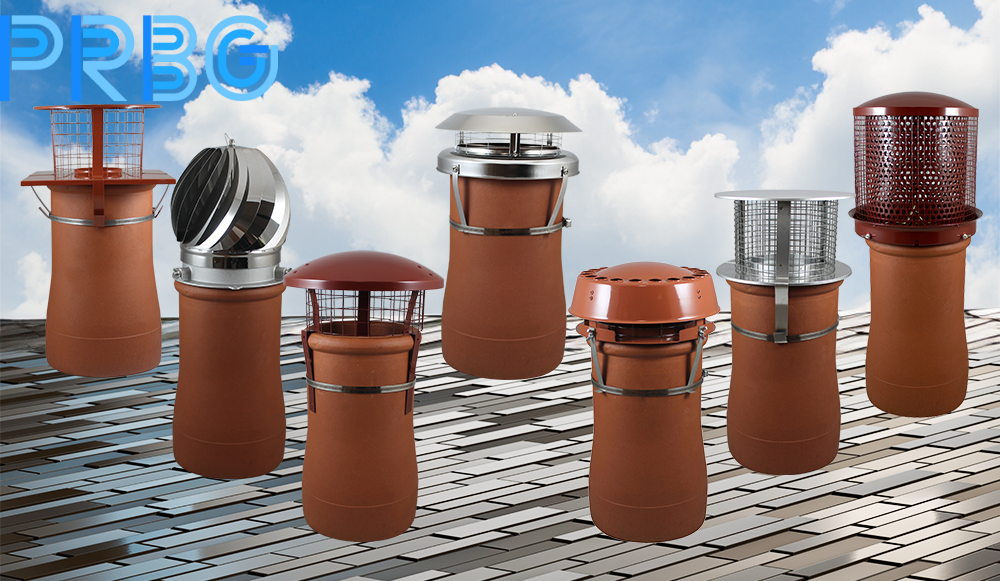
A chimney cowl is a protective hood that sits on top of your chimney pot and helps control airflow so smoke and fumes travel safely out of your home. With the right cowl in place, the chimney draws better, so you see less smoke blow‑back, fewer downdrafts, and more reliable performance from your fire or stove, even when the South Wales weather turns wet and windy. At the same time, a good cowl works like a shield against rain, helping to keep water, birds, and debris out of the flue, which reduces damp problems and protects the inside of the chimney from damage.
PRBG is a local roofing and chimney specialist based in Pontypridd, trusted by homeowners across South Wales for safe, tidy chimney work and long‑lasting repairs. The team installs high‑quality chimney cowls, carries out chimney flue repairs, and offers full chimney maintenance alongside roof repairs and new roofs, all backed by a 10‑year guarantee on major work for extra peace of mind. If you are worried about smoke issues, poor draft, or rain getting into your chimney, you can call PRBG on 0333 335 6086 to book a friendly local survey and expert advice tailored to your home.
What Is a Chimney Cowl and How Does It Work?
A chimney cowl is a hood‑shaped fitting that sits firmly on top of your chimney pot and controls how air moves in and out of the flue. It helps smoke and fumes travel safely upwards, while it reduces downdrafts that can blow cold air and smoke back into your room. At the same time, the cowl acts like a small roof over the flue opening, so it helps keep rain, birds, and debris out of the chimney and away from the liner.
In UK homes, the most common options are simple rain caps, anti‑downdraft cowls, bird‑guard cowls, and spinning cowls that turn with the wind. For many South Wales properties, an anti‑downdraft cowl with rain protection or a combined bird‑guard rain cap works well because it handles wind, heavy rain, and nesting risks in one compact unit.
Chimney Cowl vs Chimney Cap vs Flue Liner
A chimney cowl is not the same as a chimney cap, crown, or flue liner, even though they all belong to the same system. The cowl fits on or over the chimney pot and manages airflow while it shields the opening from rain and pests. The cap or crown is the solid top surface of the brick or stone stack, designed to shed water away from the masonry so it does not soak into the joints. Inside the chimney, the flue liner creates a smooth, heat‑resistant path for smoke and gases, so when the liner, cap, and cowl are all in good condition, the chimney can run safely and efficiently for many years.
Benefits of Chimney Cowl Installation for Your Home
A quality chimney cowl helps your chimney draw more smoothly by guiding air and smoke in the right direction. It stabilises airflow, so the natural upward pull in the flue becomes stronger and more consistent. Because downdrafts are reduced, smoke and fumes are less likely to blow back into the room, which makes the fire or stove easier to light and keep going. With a steadier draft, your appliance can burn fuel more efficiently, giving better heat, fewer fumes, and a more comfortable, reliable flame on cold South Wales evenings.
Rain Protection and Leak Prevention
A properly fitted rain cap or chimney cowl works like a small roof over the flue opening and forms a physical barrier against driving rain. Instead of falling straight down the chimney, most rainwater is deflected away, which reduces the amount of moisture reaching the flue liner, firebox, or stove. Over time, this protection helps limit problems such as cracked liners, spalling bricks, damp staining, and internal decay that often lead to expensive chimney flue repairs if left unchecked. For homes in wet, windy parts of South Wales, that extra defence can make a clear difference to long‑term chimney health and maintenance costs.
Extra Protection From Birds, Debris and Downdrafts
Bird‑guard chimney cowls use mesh or shaped covers to keep birds, squirrels, and other wildlife out of the chimney while still allowing smoke and gases to escape properly. This design also helps stop leaves and light debris entering the flue, which reduces the risk of blockages, poor draft, and smoke backing up into living spaces. Anti‑downdraft cowls add another layer of protection by redirecting wind that would otherwise push cold air down the chimney and send smoke or fumes back into the room. These cowls are especially useful for exposed South Wales properties on hillsides or open streets, where strong gusts regularly disturb the chimney draw.
Signs You Need Chimney Cowl Installation in Pontypridd
Some clear warning signs suggest your chimney would benefit from a cowl or an upgrade. If smoke blows back into the room, or you feel strong downdrafts on windy days, the airflow through your flue is struggling and needs help. Other symptoms include rainwater or damp marks around the fireplace, birds or bits of debris dropping into the grate, or a noisy, whistling chimney top when the wind picks up. Because South Wales often faces heavy rain and gusty conditions, especially around exposed roofs in Pontypridd, Cardiff, Swansea, and coastal areas, the right cowl can make a big difference by limiting leaks and wind‑driven rain at the very top of the stack.
Do Chimney Cowls Stop Rain and Improve Draft?
Do chimney cowls stop rain coming down a chimney? Modern rain cowls and hooded designs are made to shield the flue opening and can significantly cut rain ingress when they are correctly sized and fitted. Does a chimney cowl improve chimney draw? Many cowls are shaped to reduce wind resistance and stabilise the pull through the flue, so smoke and fumes exit more easily instead of swirling at the top. How do you stop wind blowing smoke back down a chimney? In most homes, the best approach is to combine a suitable anti‑downdraft cowl with a proper flue inspection, plus chimney flue repair or relining if the liner is cracked, undersized, or badly sooted, so the whole system works safely as one.
Professional Chimney Cowl Installation With PRBG
WhenPRBG fits a new chimney cowl, the visit usually starts with a visual inspection of the chimney stack, chimney pot, and visible parts of the flue from inside and outside the property. After checking the pot size, fuel type, and local exposure, the team recommends a suitable cowl, such as an anti‑downdraft or rain‑guard model that suits South Wales conditions and your appliance.
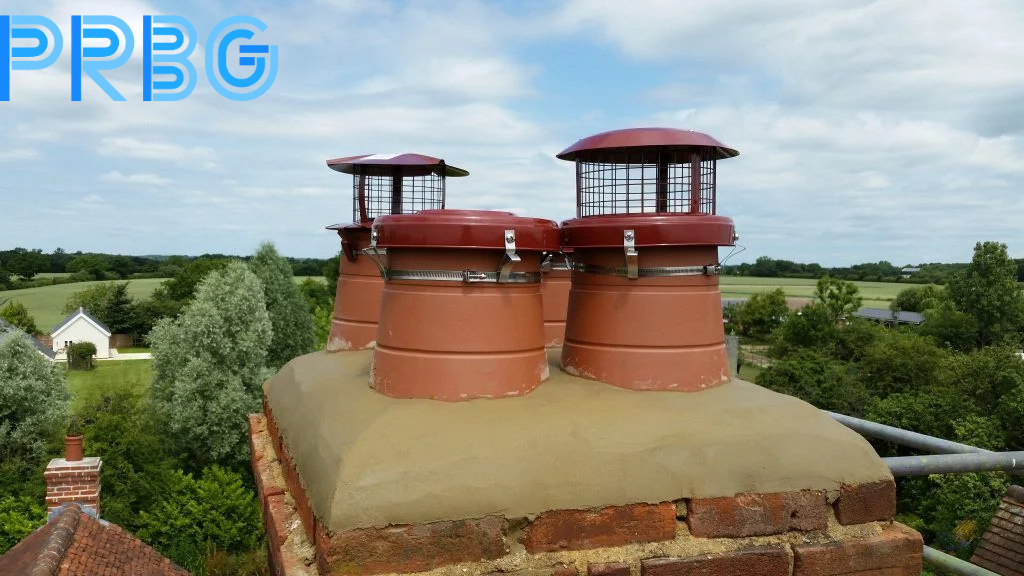
Safe roof access is arranged using roof ladders or scaffolding where needed, then the cowl is secured to the pot with appropriate fixings and straps before final checks for stability, rain protection, and draft performance are carried out. During the same visit, PRBG’s experienced roofers can also look for cracked liners, damaged caps, missing pointing, or flashing problems around the chimney base, so you get a complete chimney and roof assessment in one go.
DIY vs Professional Chimney Cowl Fitting
Some homeowners do attempt DIY chimney cowl fitting, especially on low roofs or where they can reach the pot from a ladder, but this approach carries real risks. Working at height without professional equipment increases the chance of falls, and choosing the wrong cowl type or fixing it poorly can still leave problems with leaks, downdrafts, or even voided product and roof guarantees. For homes in Pontypridd and across South Wales, the safer choice is to use a local, insured contractor like PRBG, because the team understands UK flue types, can match the right cowl to the chimney, and can handle any linked chimney flue repair or cap and flashing work at the same time. This way, you get one neat installation, backed by experienced workmanship and PRBG’s long‑term guarantee on major repairs and new installations.
Chimney Flue Repair: Costs, Methods and Safety
A cracked or damaged chimney flue liner is a serious safety issue because hot gases, sparks, and carbon monoxide can escape through gaps into walls or rooms instead of venting outside. Over time, this hidden leakage can raise the risk of chimney fires, carbon monoxide poisoning, and structural damage as heat and acidic fumes attack surrounding brickwork and timber. PRBG offers specialist chimney flue repair services for Pontypridd and South Wales, starting with a thorough inspection and, where helpful, CCTV surveys to check the full length of the flue for cracks, missing mortar, or blockages. Minor defects can sometimes be treated with suitable crack‑sealing or resurfacing systems, while more serious damage usually needs full flue relining to restore a safe, continuous passage for smoke and fumes.
Typical Chimney Flue Repair Costs in the UK
In UK homes, general chimney flue repair or partial relining often starts at roughly £800 and can rise to around £1,500, depending on chimney height, access, and liner material. When a full stainless steel flexible liner is required, many guides suggest budgeting from about £1,000 up to £2,500 or more for complex installations or taller properties. These figures are only broad guide ranges because every chimney, appliance, and roof is different, so PRBG provides tailored quotes after an on‑site inspection for homes in Pontypridd and across South Wales.
Common Chimney Flue Repair Methods
For lighter damage, one option is localised chimney flue crack repair, where a heat‑resistant or “cerfractory” sealant or slurry is applied to fill small gaps and resurface worn flue tiles. When the flue is heavily cracked, undersized, or badly deteriorated, the usual solution is partial or full relining with flexible stainless steel, clay, pumice, or cast‑in‑place liners that create a new, continuous, heat‑resistant channel inside the old chimney. PRBG can assess each chimney and explain whether a focused chimney flue repair, a full relining, or a combination alongside new chimney cowl installation will give the safest, most reliable result for that particular South Wales home.
Cracked, Clay and Metal Chimney Flue Repairs
When a chimney flue is cracked, any repair decision should start with a professional inspection, not guesswork. A damaged liner can let heat, smoke, and carbon monoxide escape into the chimney structure or nearby rooms, so a specialist needs to check how far the cracks run before choosing between local chimney flue crack repair or full relining. For clay chimney flue liner repair, small, local defects in otherwise sound tiles may sometimes be treated with specialist resurfacing or joint‑repair systems, which fill gaps and restore a smooth surface. However, many cracked clay flues eventually need replacing with a modern stainless steel liner because building codes treat badly cracked tiles as unsafe and stainless systems offer better durability, easier sizing, and clear warranty cover.
Metal, Tile and Mortar Flue Repairs
Metal chimney flue repair and chimney flue pipe repair usually focus on checking for corrosion, loose joints, and damaged sections in prefabricated or twin‑wall systems. Where rust or heat damage is limited, individual pieces of pipe or connecting bands can often be replaced, but widespread corrosion often points towards a full new liner for long‑term safety. In masonry flues, chimney flue tile repair and chimney flue mortar repair may involve joint‑repair systems that rebuild missing mortar between tiles or apply a continuous cerfractory coating over worn surfaces. PRBG can inspect the whole chimney and then explain whether targeted repairs, a complete new stainless steel liner, or a combined approach with fresh chimney cowl installation gives the safest, most cost‑effective result for a Pontypridd or wider South Wales home.
Can a Chimney Flue Be Repaired or Is Relining Better?
A chimney flue can sometimes be repaired, but the right option depends on how serious and widespread the damage is. If inspection shows only minor, local cracks or worn mortar joints in an otherwise sound liner, targeted chimney flue repairs may be enough, using specialist resurfacing or joint‑repair systems that restore a safe, smooth passage without replacing everything. However, many older or heavily damaged flues are safer with full relining because long runs of cracks, missing tiles, or general deterioration can allow heat, smoke, and carbon monoxide to escape into the chimney structure, which is not something patch repairs can reliably fix. In those cases, installing a new stainless steel liner sized to the appliance usually gives better long‑term performance, easier maintenance, and clear compliance with modern safety guidance.
Chimney Flue Repair DIY vs Hiring a Contractor
Searches for chimney flue repair DIY or chimney flue repair kit usually refer to temporary sealants or basic patch products that aim to fill small visible cracks. These can sometimes help in the very short term, but they do not replace a full inspection and often cannot reach hidden defects higher up the flue, so relying on them alone risks missed damage and ongoing safety issues. Because flue work involves carbon monoxide, fire risk, building regulations, and often working at height, the safest route for UK homes is to use a qualified chimney flue repair contractor. PRBG provides insured, professional flue and chimney repairs across Pontypridd and South Wales, combining proper surveys, correct liner sizing, and high‑quality materials with a 10‑year guarantee on major repairs and new installations for extra peace of mind.
Chimney Cowl, Cap and Damper Repairs
Chimney cowls, caps, and dampers all play different roles, but together they help keep water out, maintain a steady draft, and improve overall fireplace safety. A sound chimney cap covers the top of the stack and stops rain and debris dropping straight into the flue, while a well‑fitted cowl adds extra protection against wind‑driven rain and downdrafts at the chimney pot. Inside the system, a working damper lets you control airflow when the fire is on and close the flue when it is off, which helps reduce heat loss and stops cold draughts or stray sparks entering the room. PRBG can inspect and repair chimney flue caps, dampers, and cowls in a single visit, which is often more cost‑effective and less disruptive for South Wales homeowners than booking separate call‑outs for each issue.
How Chimney Cowls Help Protect Previous Repairs
Once a chimney flue liner has been repaired or replaced, fitting the right cowl or rain cap is one of the simplest ways to protect that investment. A good cowl helps keep most rain, debris, and birds out of the flue, so less moisture and dirt reaches the new liner, joints, or crown, which reduces the chance of early cracking, rust, or damp patches. This extra layer of defence is especially important in wet, windy areas like Pontypridd, Cardiff, Swansea, Newport, and the wider South Wales region, where storms and sideways rain can quickly wear down an unprotected chimney top. PRBG’s local team understands these conditions and can match cowls, caps, and dampers to real South Wales weather, helping previous chimney and flue repairs last longer.
Book Chimney Cowl Installation or Flue Repair With PRBG
Homeowners in Pontypridd and across South Wales can rely on PRBG for a complete, reliable chimney and roofing service in one neat package. The team can handle chimney cowl installation, chimney flue repair, chimney caps and crowns, repointing, leak tracing, and wider roof repairs during the same visit, so your flue, stack, and roof covering are checked and put right together instead of in separate, costly stages. With over 20 years of experience and a strong local reputation, PRBG backs all major repairs and new installations with a 10‑year guarantee, giving South Wales homeowners long‑term peace of mind in tough weather conditions.
If you are worried about smoke blow‑back, damp chimney stains, leaks around the stack, or the condition of your flue, now is the time to act rather than wait for a bigger problem. Readers in Pontypridd, Cardiff, Swansea, Newport, Bridgend, and the wider South Wales region can call PRBG on 0333 335 6086 or request a free estimate through the PRBG website to arrange expert chimney cowl fitting and chimney flue repairs tailored to their home.