

-
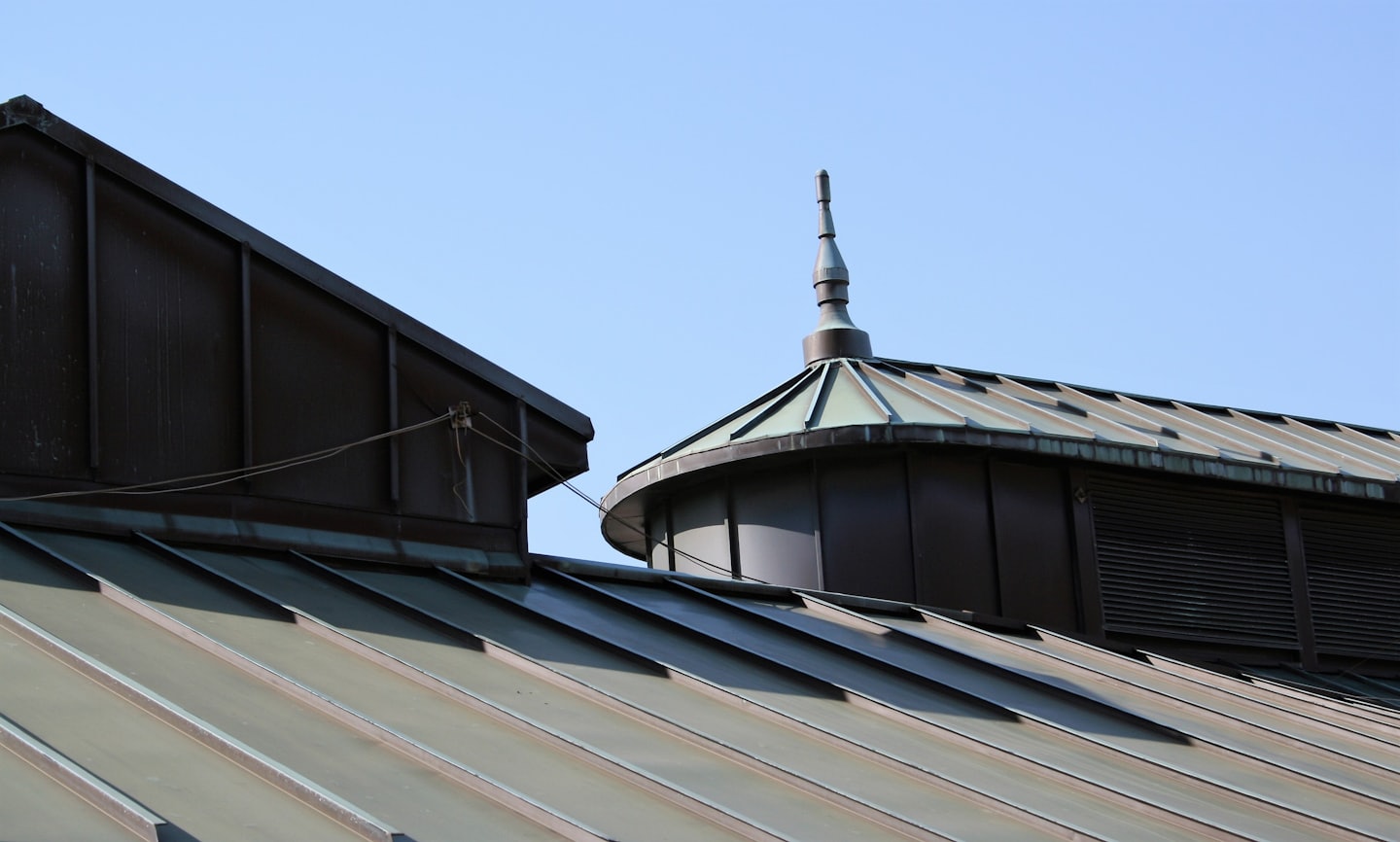
If you own a home or business in South Wales, understanding flat and pitched roof building regulations in the UK is essential before you touch your roof. UK rules sit under Part L of the Building Regulations, which focuses on conserving fuel and power and keeping properties energy efficient. In Wales, these rules are applied…
-
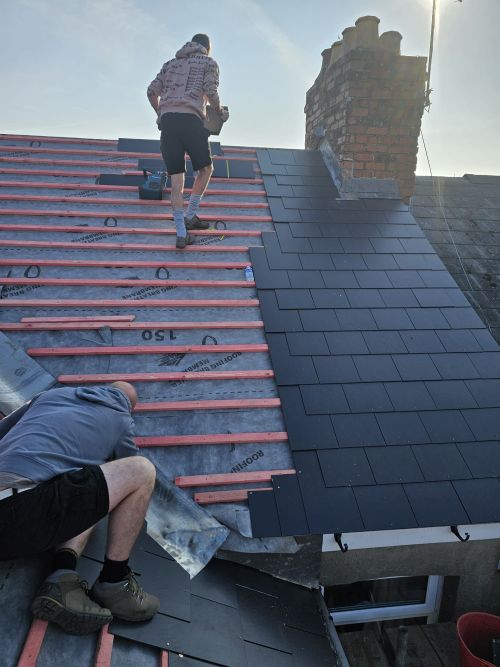
South Wales weather can be tough on roofs, with frequent rain, strong winds, and sudden storms putting constant pressure on tiles, slates, and flat roof coverings. Because of this unpredictable climate, even a small weakness in your roof can quickly turn into a serious leak, damp patch, or structural issue inside your home. When storms…
-

South Wales weather can be tough on homes, with cool, wet winters and frequent rain that soaks roofs and walls for months.When your roof or conservatory is poorly insulated, that damp, cold air creeps indoors, which means higher heating bills and rooms that never feel truly warm.By upgrading your roof and conservatory insulation in 2026,…
-
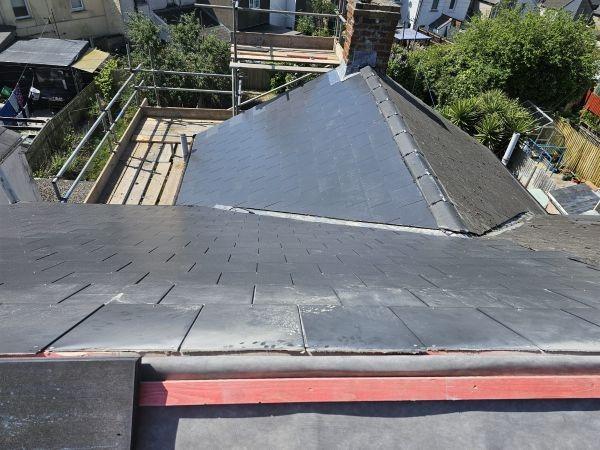
Conservatories are a popular way to add light, space, and character to UK homes. Many older conservatories, however, now struggle with leaks, draughts, and noisy rain. As a result, more homeowners are choosing to replace their conservatory roofs instead of living with ongoing discomfort. Today, energy performance matters more than ever because heating costs continue…
-
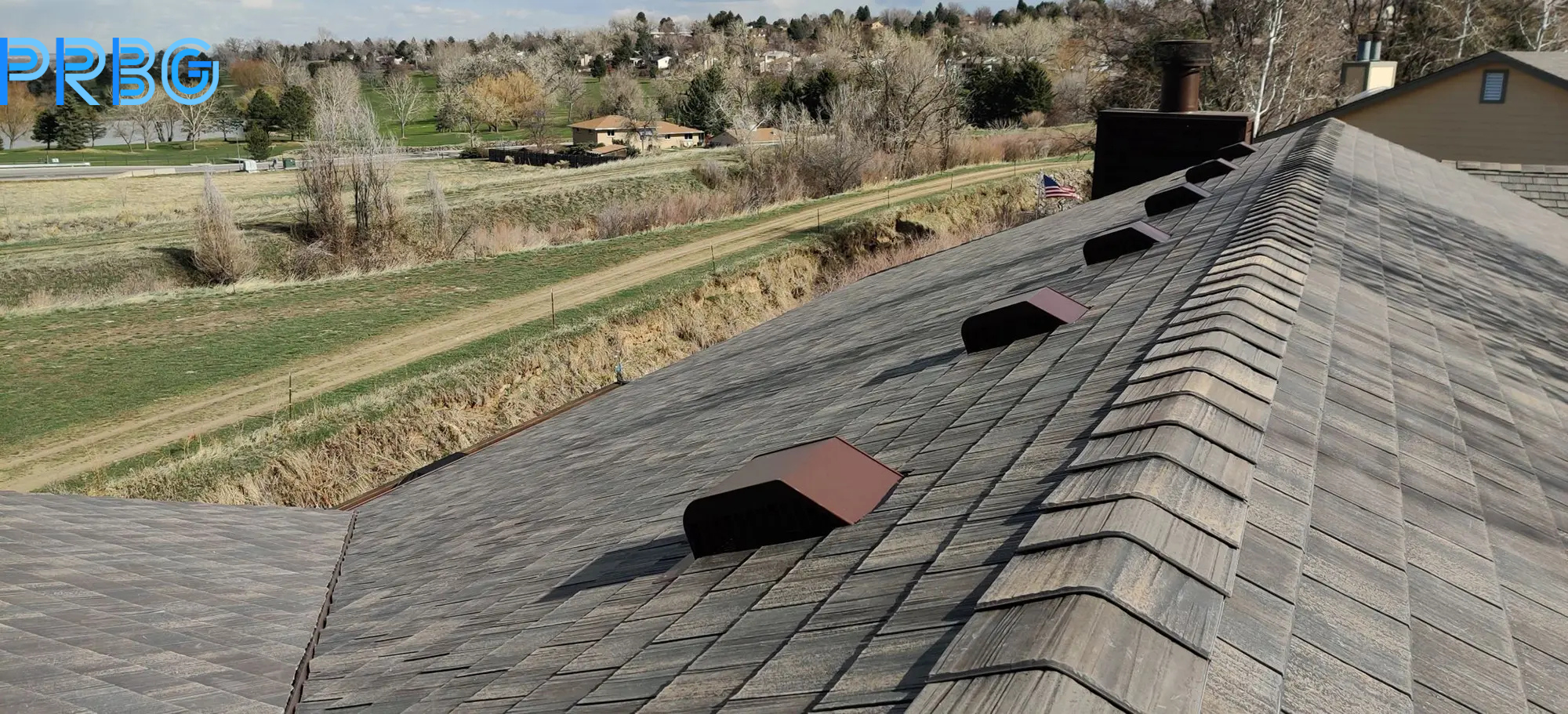
Roof and loft ventilation simply means letting fresh air move through the space just under your roof. This airflow carries moist air out before it condenses on cold timbers and insulation. In Pontypridd and across South Wales, the climate is often damp, windy and changeable. Therefore, warm indoor air regularly meets cold roof surfaces, which…
-
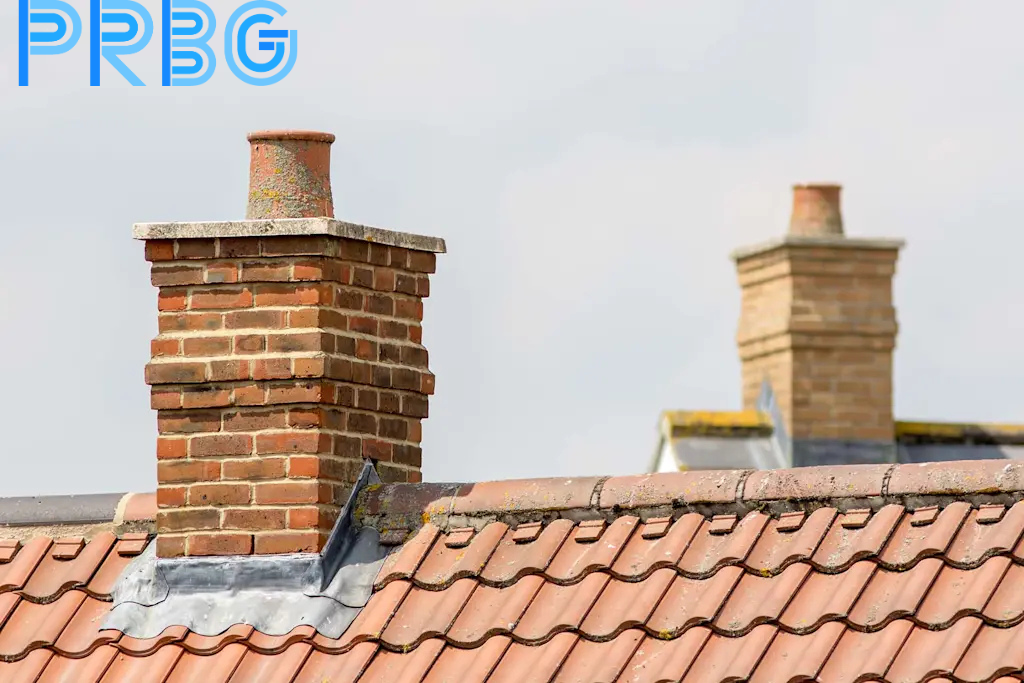
Blocked gutters might look harmless, however they can quickly turn normal South Wales rain into serious roof and chimney leaks. When gutters clog with moss, leaves and debris, water overflows instead of draining away and starts tracking back under tiles, around fascias and near chimney stacks. As this happens repeatedly, you begin to see damp…
-
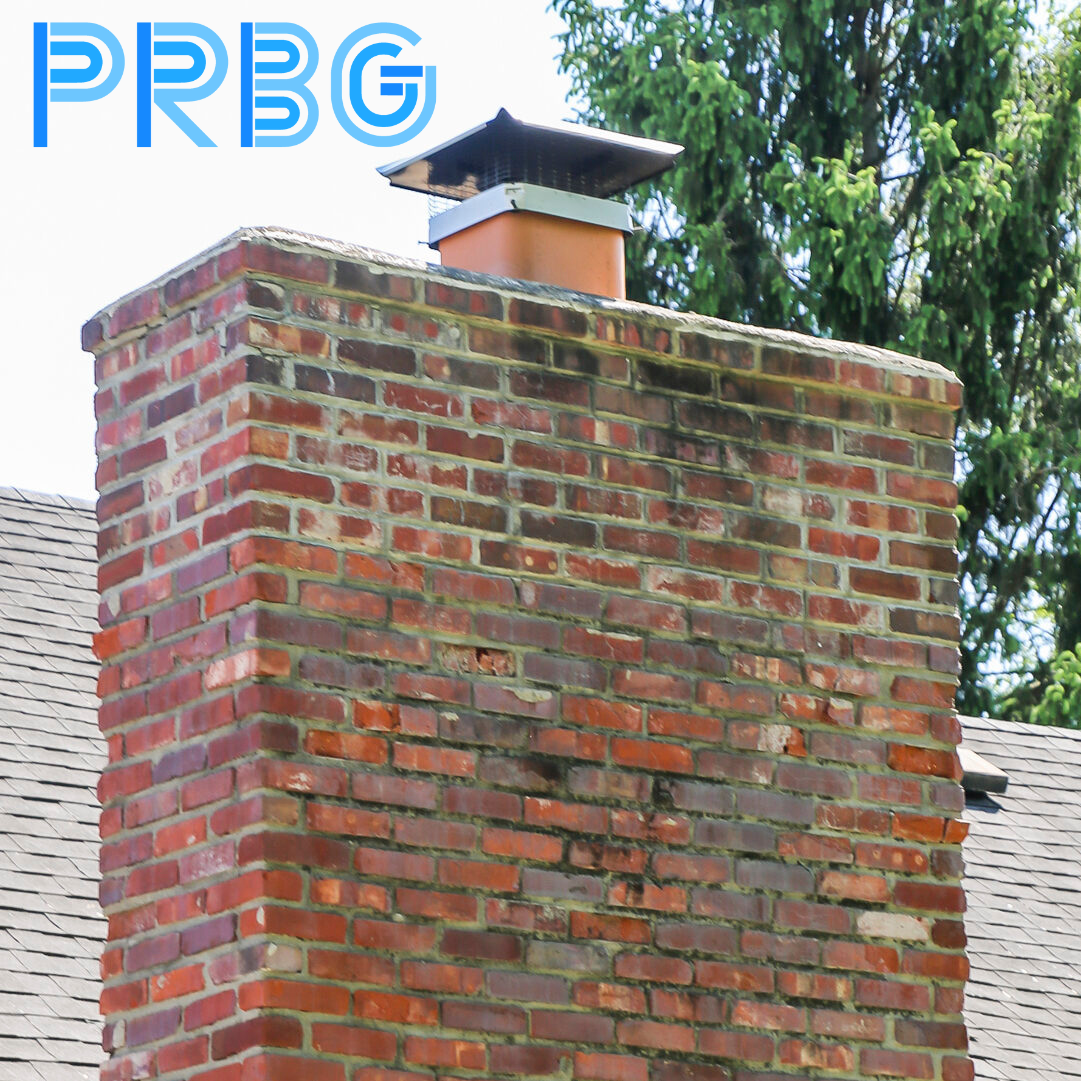
Brick chimney spalling sounds complex, however the idea is simple. When bricks start to flake, crack or break on the surface, experts call this spalling. Small chips fall away first. Then larger pieces of the brick face can pop off. As a result, the chimney stack slowly loses strength. Because gaps open up, more rain…
-
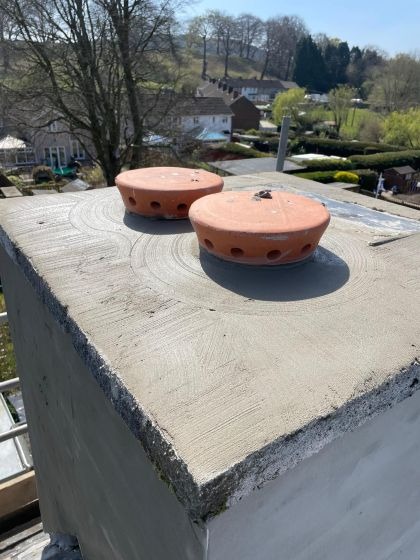
Winter in Pontypridd brings cold, wind and driving rain, so a sound chimney is vital for safety and comfort. When a chimney is not winter‑ready, smoke and fumes can struggle to escape, which increases the risk of carbon monoxide entering living spaces. In addition, cracked caps, worn mortar and damaged flashing let South Wales rain…
-
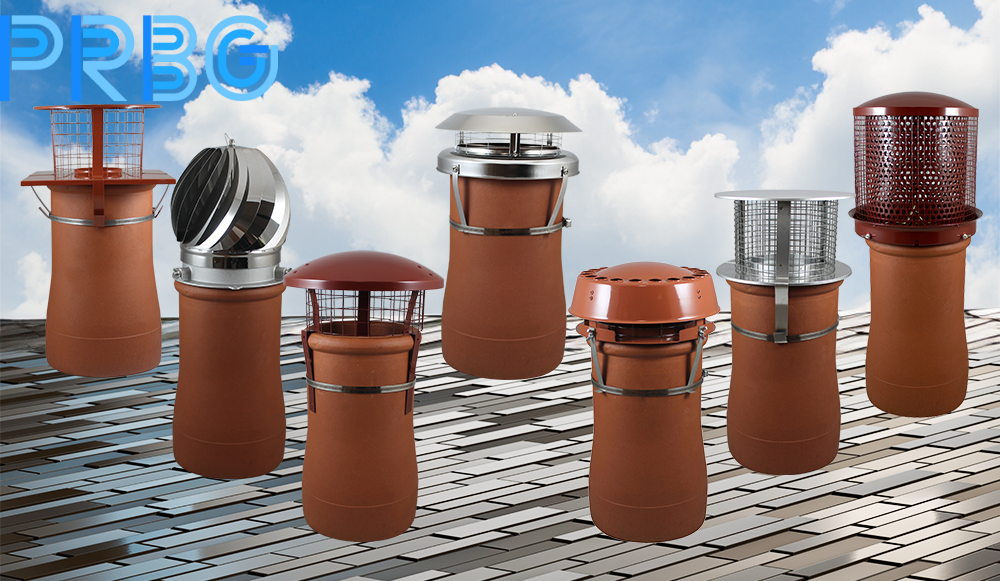
A chimney cowl is a protective hood that sits on top of your chimney pot and helps control airflow so smoke and fumes travel safely out of your home. With the right cowl in place, the chimney draws better, so you see less smoke blow‑back, fewer downdrafts, and more reliable performance from your fire or…
-
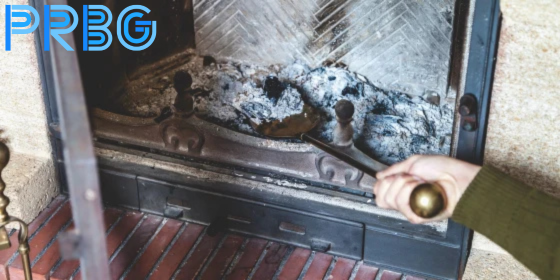
Regular chimney flue cleaning is one of the simplest ways to protect your home from hidden fire and smoke dangers. Because soot and creosote build up inside the flue, a neglected chimney can overheat, catch fire, or push dangerous carbon monoxide back into your rooms. In older UK properties, blocked or dirty flues also cause…